
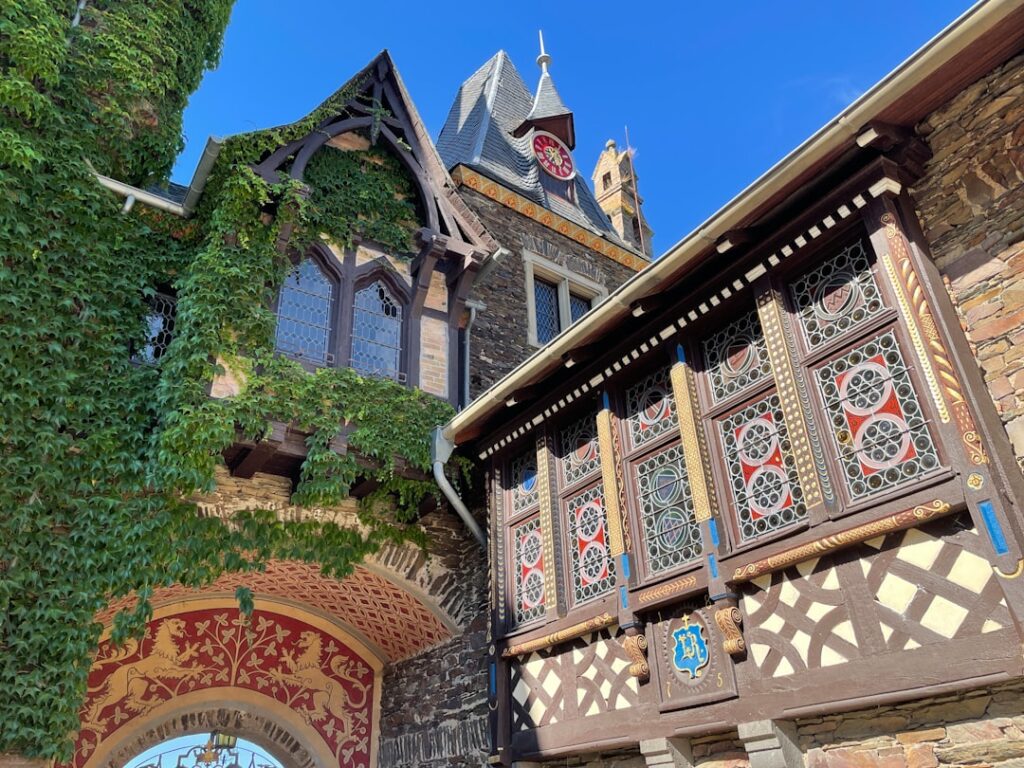
Germany and the United States share one of the most profound migration stories in modern history. Between the 1840s and the early 20th century, more than five million Germans crossed the Atlantic, making them one of the largest immigrant groups to arrive in America. For many who arrived after 1892, the journey included processing at Ellis Island, and their new lives began in New York City.
The reasons for this mass migration were varied and complex. Political upheaval following the failed revolutions of 1848 drove thousands of liberal intellectuals and activists to seek freedom abroad. Economic hardship, particularly in rural areas, pushed farmers and labourers to search for better opportunities. Religious minorities, including German Jews and sectarian Protestant groups, fled persecution. By the 1880s, entire villages in regions like the Palatinate, Hesse, and Westphalia had been depopulated as families departed for America.
The Gateway at Ellis Island
Between 1892 and 1954, Ellis Island processed more than 12 million immigrants. Germans were among the significant nationalities in the early years of Ellis Island’s operation, though by the turn of the 20th century, Southern and Eastern European immigrants came to dominate arrivals. The crossing itself was an ordeal—weeks in steerage class, cramped conditions, and the uncertainty of what awaited. Upon arrival, immigrants faced medical inspections and legal questioning. Their names were often anglicised or misspelled by officials, creating challenges that genealogists still wrestle with today.
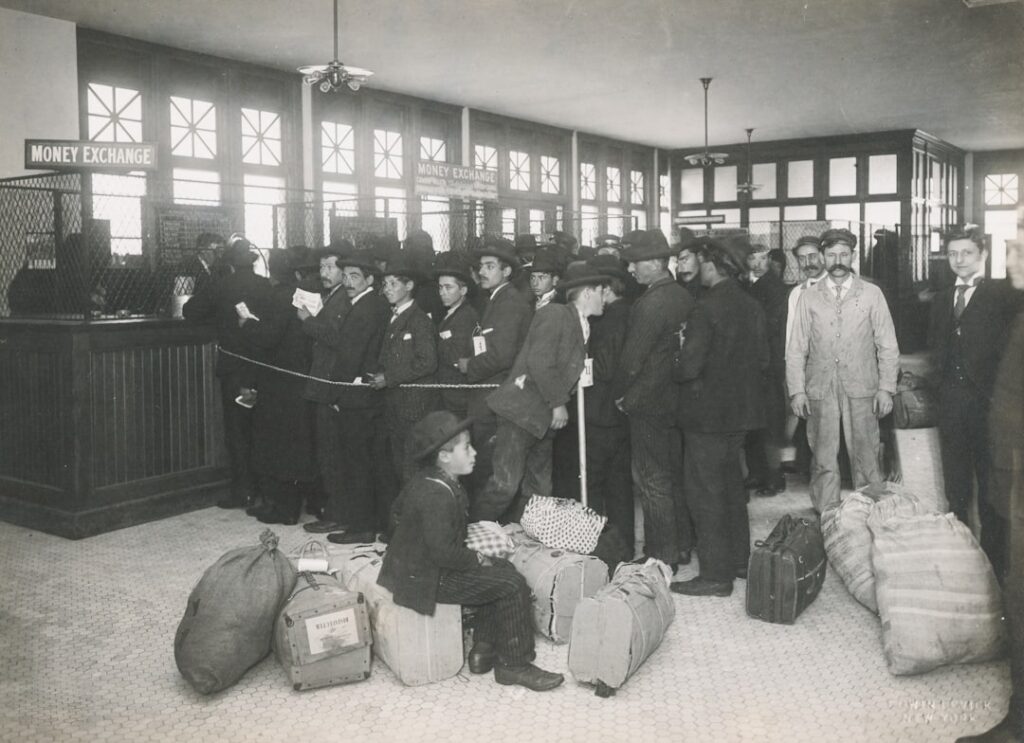
Once cleared, many Germans settled in Manhattan neighbourhoods like Kleindeutschland (Little Germany) on the Lower East Side. By the 1850s, New York City as a whole had become the third-largest German-speaking city in the world after Vienna and Berlin, with Kleindeutschland representing a major concentration of this population. Germans also fanned out to Brooklyn, the Bronx, and beyond, establishing churches, beer gardens, singing societies, and mutual aid organisations that preserved their language and culture.
Tracing Your German Heritage
If your ancestors were part of this great migration, New York City holds the keys to their story. Ellis Island’s American Family Immigration History Center maintains digitised passenger manifests searchable by name, and the facility itself—now part of the Statue of Liberty National Monument—offers a deeply moving experience for descendants retracing their family’s first steps in America.
The New York Public Library holds extensive German-language newspapers, church records, and naturalisation documents. The Leo Baeck Institute specialises in German-Jewish immigration history, while the German Society of the City of New York, founded in 1784, maintains archives documenting centuries of German presence in the city.
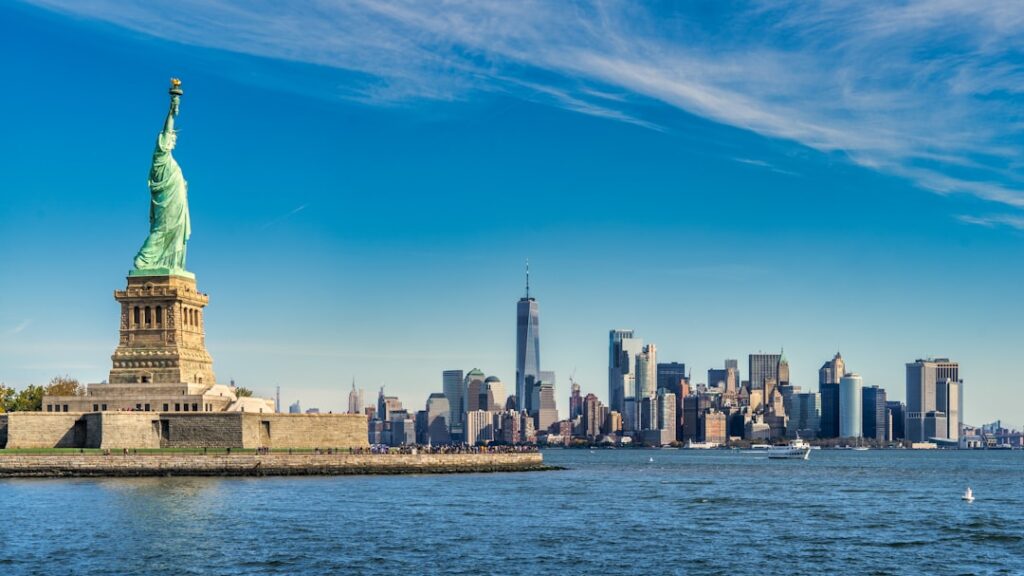
For those serious about genealogical research, New York City offers unparalleled resources and practical guidance for anyone looking to piece together their family’s transatlantic journey.
A Living Legacy
Though Kleindeutschland largely vanished after the General Slocum steamship disaster of 1904, German influence remains woven into New York’s fabric. The Christmas tree at Rockefeller Center, the kindergarten system, and even the hot dog all have German roots. Oktoberfest celebrations continue in neighbourhoods across the boroughs, and German restaurants and beer halls still serve schnitzel and sauerbraten to new generations.
The story of German immigration to America is one of resilience, adaptation, and contribution. Whether your family name is Schmidt or Smith, Müller or Miller, the archives and streets of New York City hold the threads of that remarkable journey—waiting to be discovered.
Tours & experiences in Germany


Powered by Viator. Some links are affiliate links — we may earn a small commission at no extra cost to you.