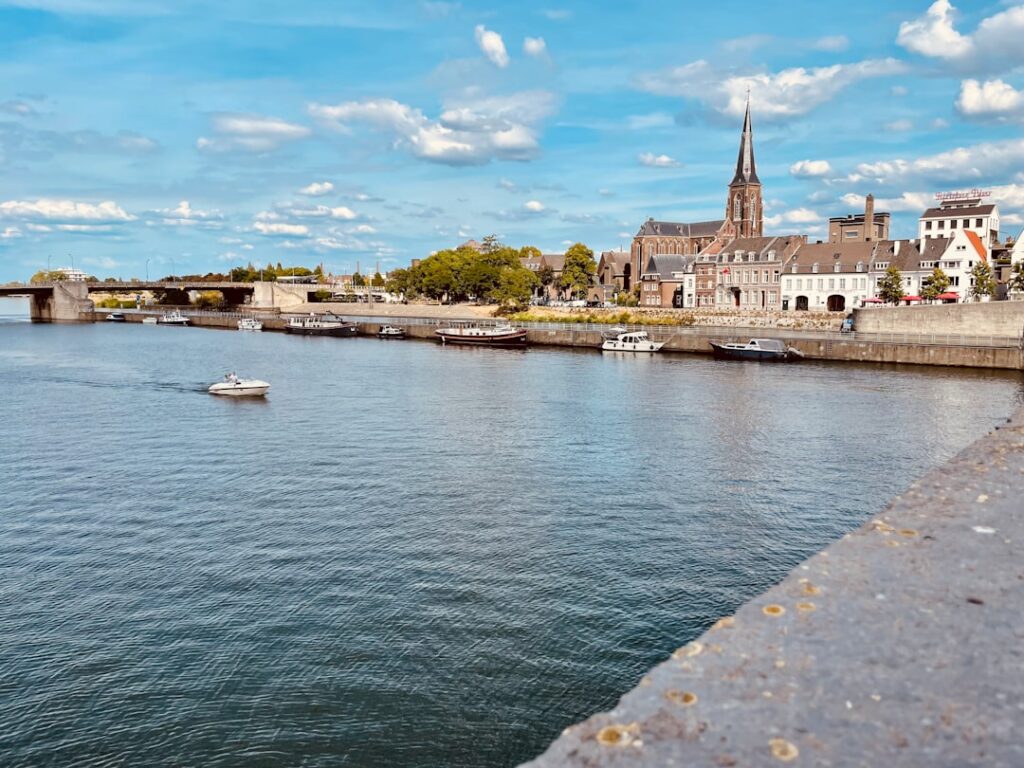
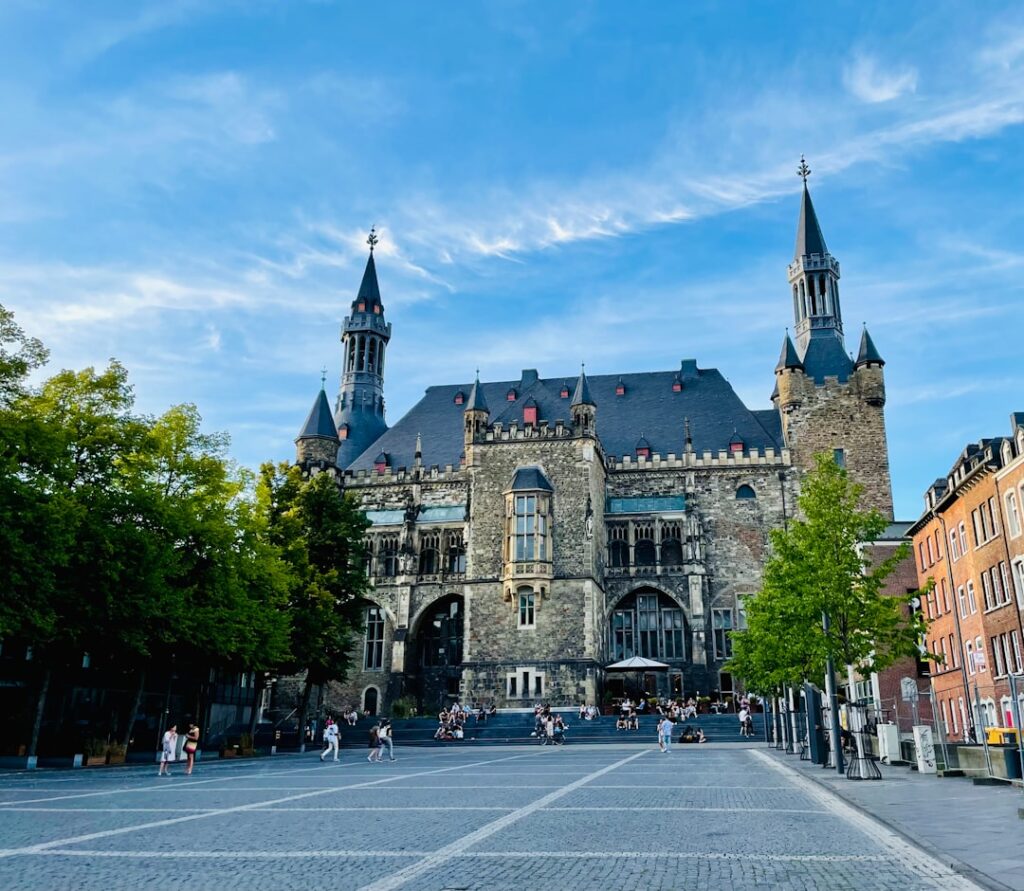
The border between Aachen, Germany, and Maastricht in the Netherlands represents one of Europe’s historic frontiers, where centuries of shared history have created a unique cultural zone. The city of Aachen, known as Aken in Dutch, sits directly on the Dutch border, with its municipal boundaries touching the Netherlands.
During the medieval period, when Charlemagne made Aachen his imperial capital in the late 8th century, the surrounding region—including what is now Dutch Limburg—formed part of a unified cultural sphere under Carolingian rule. This historical unity created lasting connections between the regions.
A Border Region’s Naming Traditions
The border region between Aachen and Limburg shares certain naming patterns common to the broader Low Countries and Rhineland area. The suffix “-sen” or “-s” indicating “son of” appears in both German and Dutch naming traditions, while occupational surnames reflect the common trades that defined medieval life throughout this part of Europe.
The Dutch surnames from Limburg sometimes show linguistic characteristics influenced by the region’s position between Germanic language areas. The border location has historically meant that families might register names with different authorities depending on which side of the border they resided.
Historical Administrative Changes
Administrative changes over the centuries affected the border region. The Congress of Vienna in 1815 assigned Limburg to the United Kingdom of the Netherlands, establishing borders that divided what had previously been more unified territories. These political boundaries created the modern frontier between Germany and the Netherlands in this region.
Modern Cross-Border Connections
Today, the Aachen-Maastricht region exemplifies European integration. Thousands of people cross the border daily for work, shopping, and family visits. The Euregio Maas-Rhein, a cross-border cooperation zone established in 1976, has strengthened ties between Aachen and Limburg through various cooperative initiatives.
Cultural exchanges and historical exhibitions regularly explore the shared heritage of this border region, examining the historical connections that shaped the area over more than a millennium of intertwined history.
Tours & experiences in Germany


Powered by Viator. Some links are affiliate links — we may earn a small commission at no extra cost to you.