
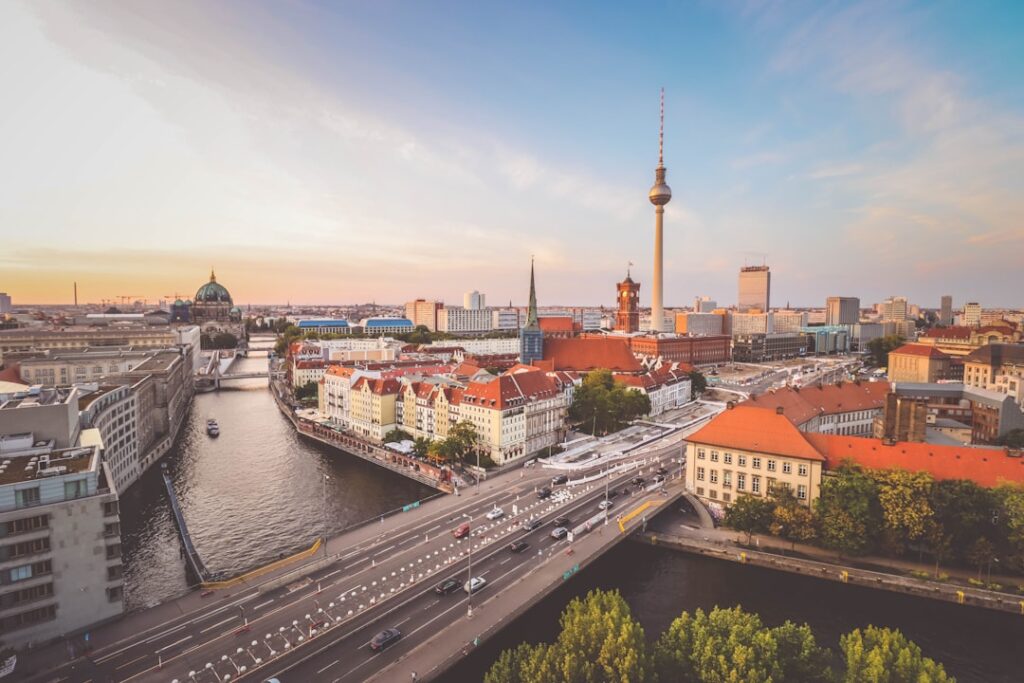
Berlin is a city where history lives on every corner, where world-class museums sit alongside remnants of the Cold War, and where imperial grandeur meets contemporary culture. Whether you’re drawn to monumental architecture, sobering memorials, or vibrant street art, Germany’s capital offers an unforgettable journey through the past and present. This guide highlights the ten must-see destinations that capture the essence of Berlin and should be at the top of every visitor’s itinerary.
1. The Brandenburg Gate
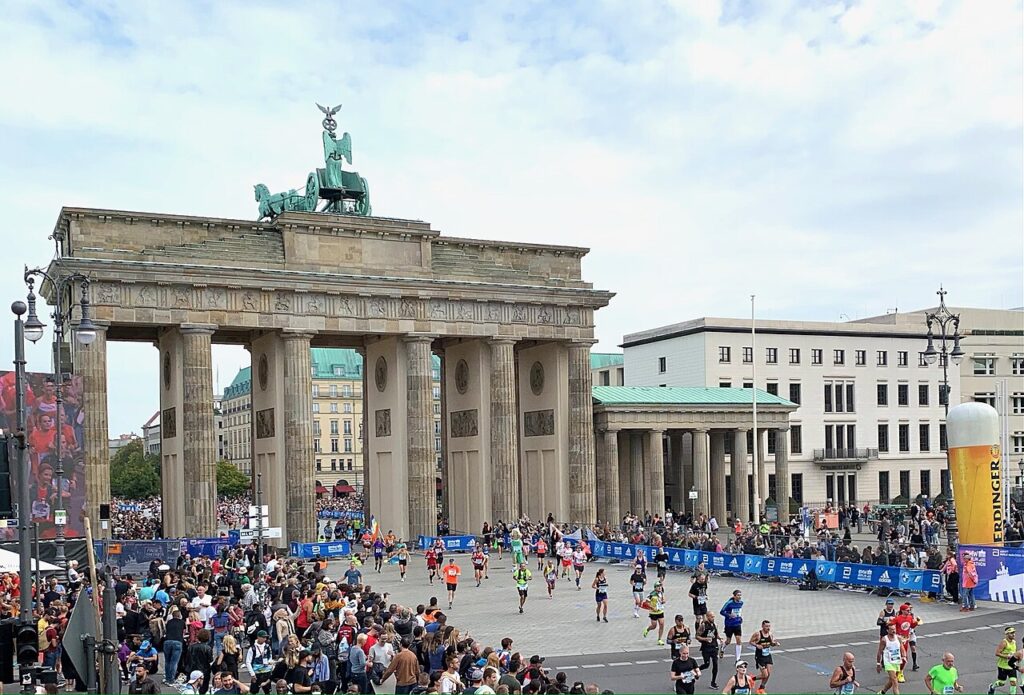
Standing as Berlin’s most iconic symbol, the Brandenburg Gate has witnessed centuries of German history, from Prussian glory to Nazi parades, Cold War division, and reunification celebrations. This neoclassical monument, built in 1791, features twelve Doric columns and the Quadriga statue of a chariot drawn by four horses. Today, it serves as a powerful symbol of unity and peace, and no visit to Berlin is complete without standing before this magnificent structure. Practical tip: Visit at both day and night to see the Gate illuminated, and consider using the Brandenburg Gate as your starting point for exploring the historic city center.
2. The Reichstag Building
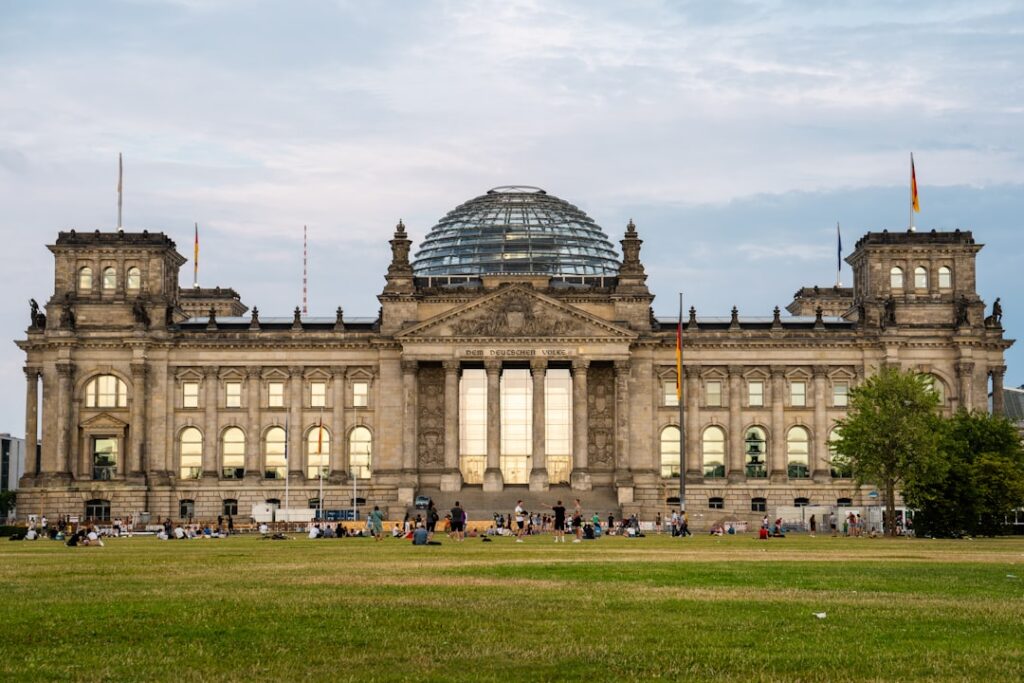
Home to the German Parliament, the Reichstag Building brilliantly combines historical significance with modern architectural innovation. The building’s tumultuous past mirrors Germany’s own journey through empire, war, division, and democracy, while Norman Foster’s stunning glass dome symbolizes governmental transparency. Visitors can walk the spiral ramp inside the dome for panoramic views over Berlin while learning about parliamentary processes. Practical tip: Registration is required in advance for dome visits, so book online at least several days before your trip to secure your preferred time slot.
3. Museum Island
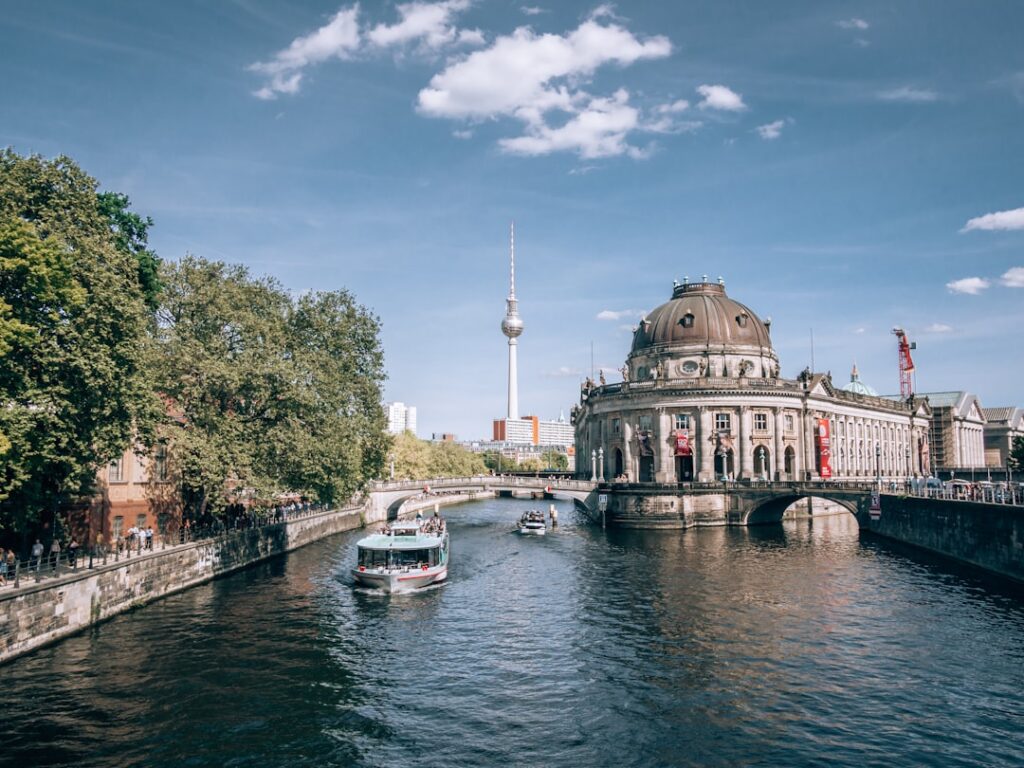
This UNESCO World Heritage site is an unparalleled treasure trove of art and archaeology, housing five world-renowned museums on a single island in the Spree River. From the stunning Pergamon Altar and Ishtar Gate to Nefertiti’s bust at the Neues Museum, the collections span 6,000 years of human history. Whether you’re passionate about ancient civilizations, classical antiquity, or 19th-century art, Museum Island offers days worth of exploration. Practical tip: Purchase the Museum Island day pass for access to all five museums, and arrive early to avoid crowds, especially at the Pergamon Museum.
4. East Side Gallery
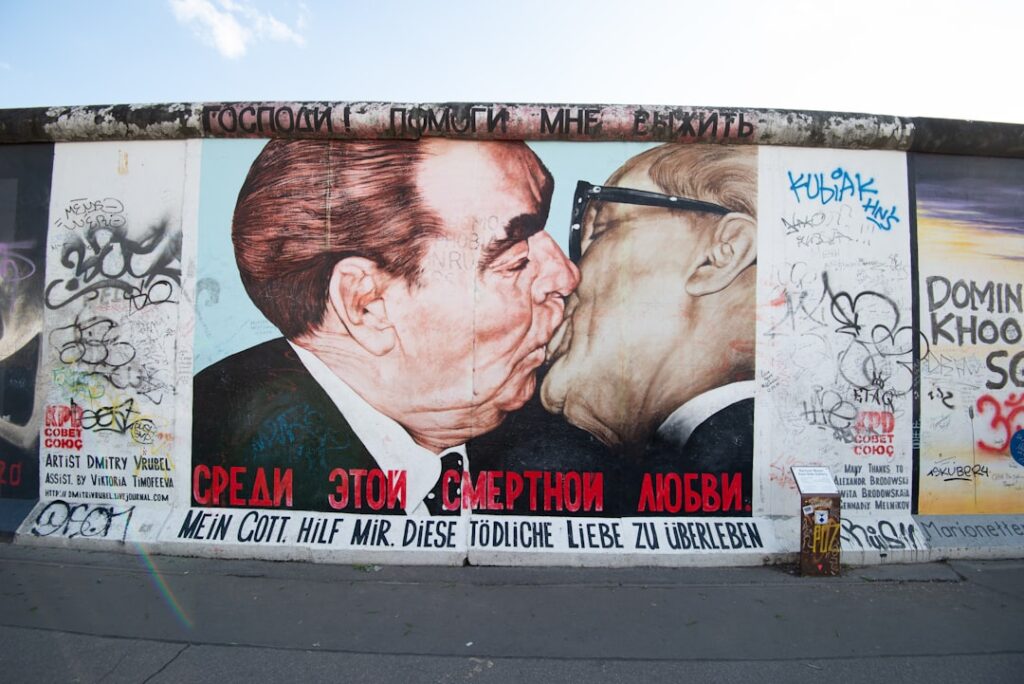
The East Side Gallery transforms a 1.3-kilometer stretch of the Berlin Wall into the world’s longest open-air gallery, featuring over 100 murals by artists from around the globe. Painted in 1990 after the Wall’s fall, these powerful works address themes of freedom, political change, and hope, with iconic images like Dmitri Vrubel’s “Fraternal Kiss” becoming symbols of the reunification era. Walking along this remnant of division offers a moving reminder of Berlin’s Cold War past and the triumph of liberty. Practical tip: Located along Mühlenstraße between Ostbahnhof and Warschauer Straße stations, the gallery is free to visit 24/7 and makes an excellent photo opportunity.
5. Checkpoint Charlie
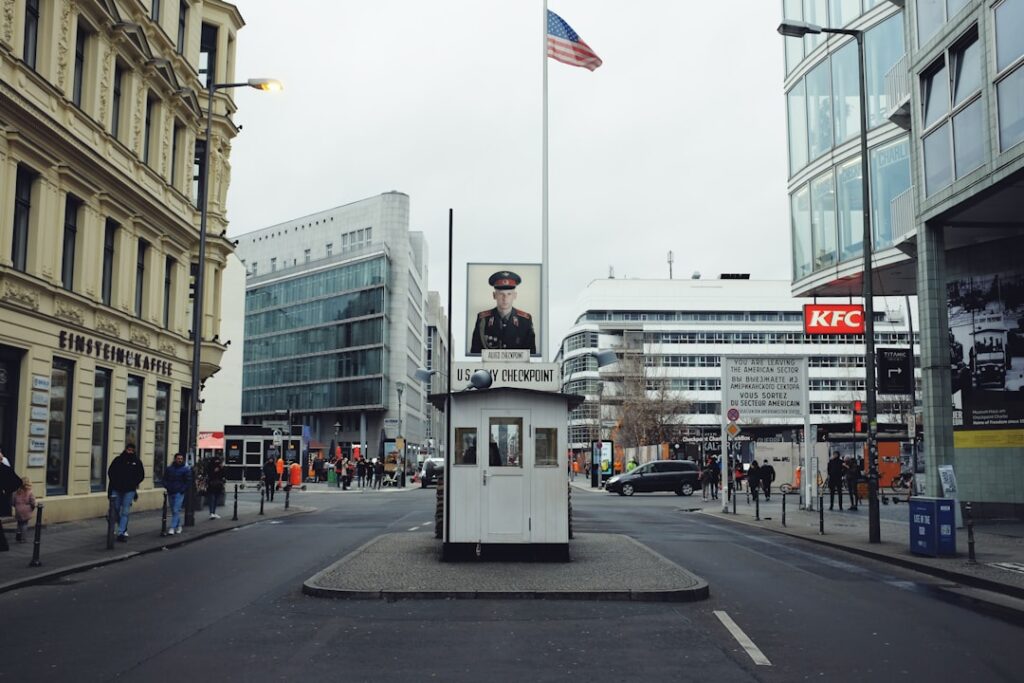
Once the most famous border crossing between East and West Berlin, Checkpoint Charlie represents one of the Cold War’s most tense flashpoints. While the current guardhouse is a replica, the site remains deeply evocative, especially when paired with a visit to the adjacent Wall Museum, which documents daring escape attempts and life under division. The checkpoint serves as a tangible reminder of the city’s divided past and the courage of those who risked everything for freedom. Practical tip: The outdoor exhibit boards provide fascinating historical context free of charge, though the nearby museum requires paid admission for those wanting deeper insights.
6. Fernsehturm at Alexanderplatz
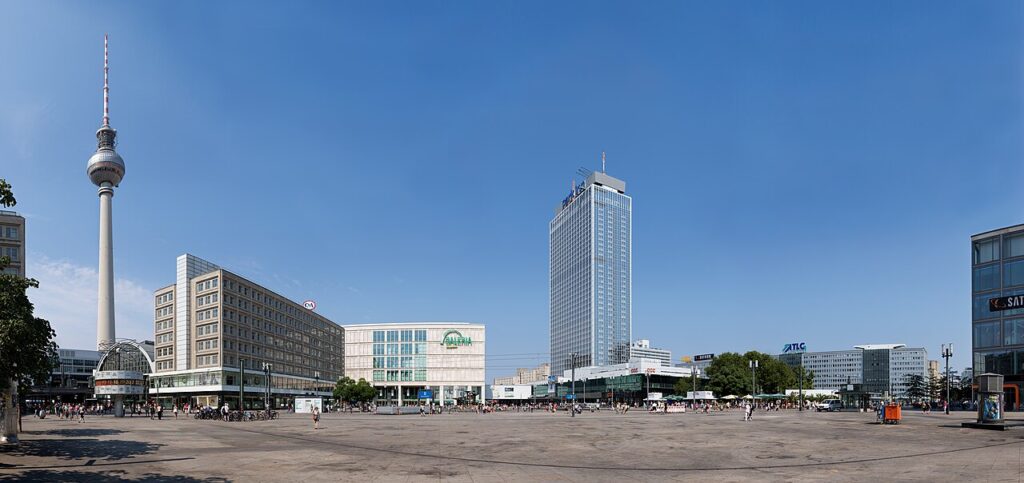
Soaring 368 meters above the city, the Fernsehturm television tower is Berlin’s tallest structure and an enduring symbol of the former East Germany. Built in 1969 to demonstrate socialist architectural prowess, the tower now offers visitors unmatched 360-degree views of Berlin from its observation deck and revolving restaurant. On clear days, you can see up to 42 kilometers in every direction, making it the perfect spot to orient yourself and appreciate the city’s vast scale. Practical tip: Book tickets online in advance to skip the often lengthy queues, and time your visit for sunset to watch the city transition from day to night.
7. Memorial to the Murdered Jews of Europe
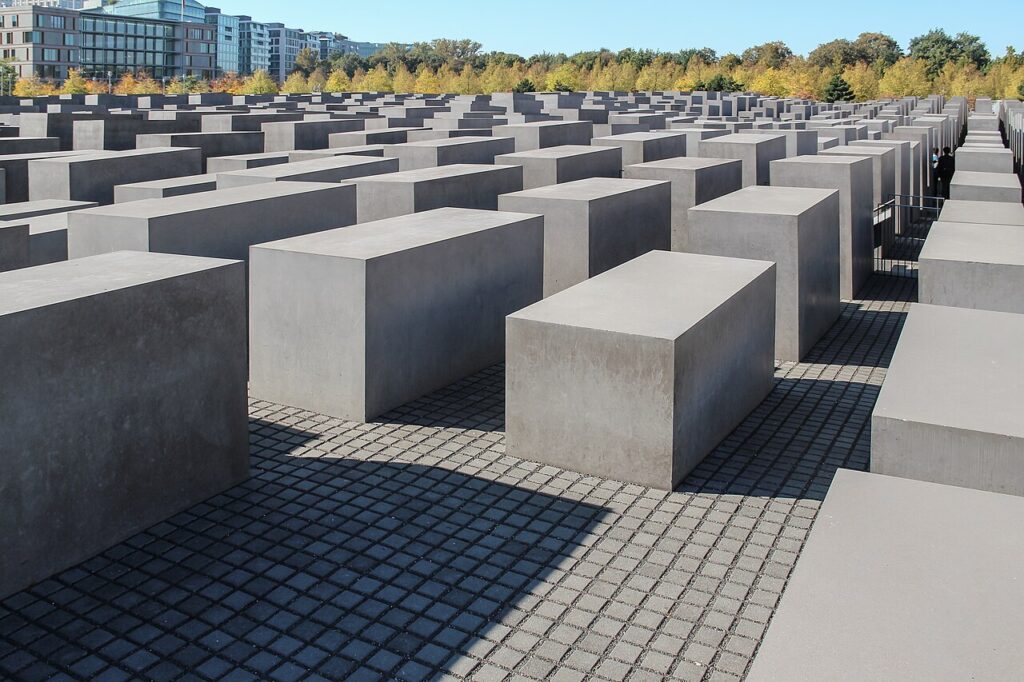
This haunting memorial, designed by architect Peter Eisenman, consists of 2,711 concrete slabs arranged in a grid pattern that visitors can walk through and contemplate. The undulating ground and varying heights of the stelae create a disorienting, solemn atmosphere that encourages personal reflection on the Holocaust’s magnitude. The underground information center provides essential historical context with exhibits documenting the persecution and murder of European Jews. Practical tip: The memorial field is accessible 24 hours and free to enter, while the information center operates on limited hours, so check opening times if you plan to visit both.
8. Charlottenburg Palace
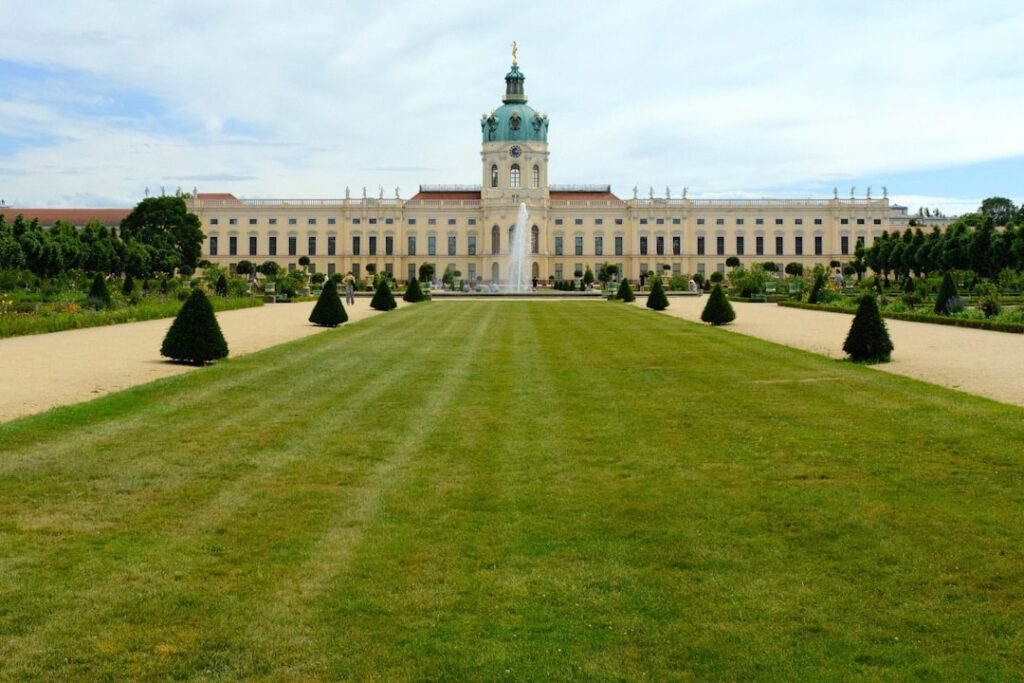
Berlin’s largest and most elegant palace offers a glimpse into the opulence of Prussian royalty, with lavish baroque and rococo interiors that transport visitors to the 17th and 18th centuries. The palace complex includes stunning state apartments, the porcelain cabinet, and beautifully manicured gardens perfect for leisurely strolls. Originally built as a summer residence for Sophie Charlotte, the palace survived World War II damage and now stands as Berlin’s finest example of royal architecture. Practical tip: Combination tickets cover both the Old Palace and New Wing, and visiting on weekday mornings typically means smaller crowds and a more intimate experience.
9. Tiergarten
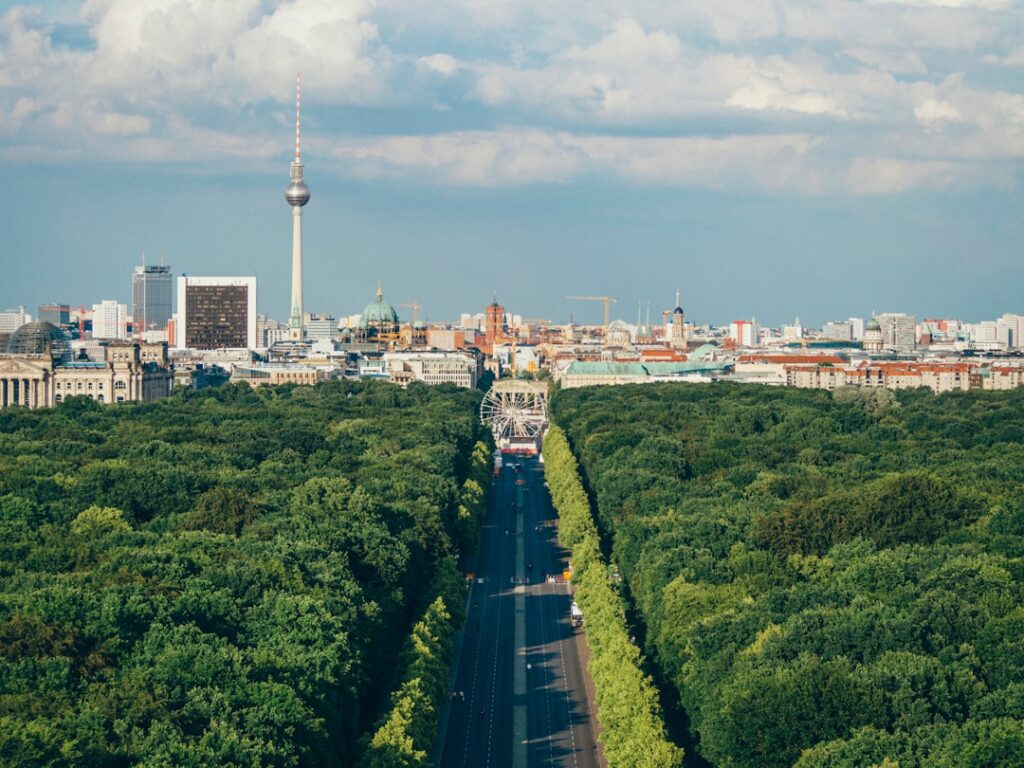
Berlin’s green heart, the Tiergarten is a sprawling 520-acre park that offers peaceful respite from urban exploration and serves as a beloved recreational space for locals and visitors alike. Originally a hunting ground for Prussian electors, the park now features winding paths, tranquil ponds, beer gardens, and monuments including the Victory Column at its center. Whether you want to jog, picnic, paddleboat, or simply relax under centuries-old trees, the Tiergarten provides the perfect escape. Practical tip: Rent a bicycle to cover more ground efficiently, or pack a picnic and spend a leisurely afternoon enjoying Berlin’s most beautiful green space between sightseeing stops.
10. Berlin Cathedral
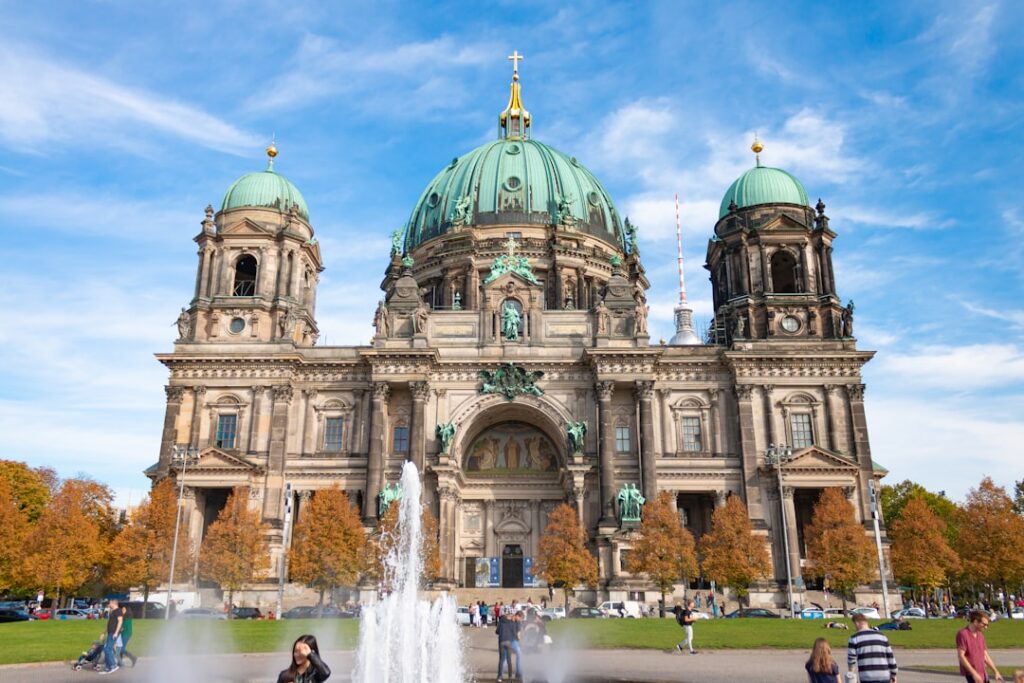
The magnificent Berliner Dom dominates Museum Island’s skyline with its distinctive green copper dome and impressive Italian Renaissance-inspired architecture. Inside, visitors discover ornate decoration, the imperial staircase, the Hohenzollern crypt containing nearly 100 sarcophagi, and one of Germany’s largest pipe organs. Climbing the 270 steps to the dome’s walkway rewards you with spectacular views across Museum Island, the Spree River, and central Berlin. Practical tip: Entry requires a ticket, but the climb is worth the effort for both the panoramic views and the opportunity to examine the dome’s interior mosaics up close.
Berlin’s remarkable ability to preserve its complex history while embracing modernity makes it one of Europe’s most compelling destinations. These ten sites offer just a starting point for understanding the city’s layers of culture, politics, and resilience. For first-time visitors looking to cover the highlights efficiently, consider the Discover Berlin Half-Day Walking Tour or the Big Bus Berlin Hop-On Hop-Off Sightseeing Tour to orient yourself before exploring independently. Whether you spend three days or three weeks in the German capital, Berlin promises to educate, move, and inspire in equal measure.
Heads up — some links in this article are affiliate links. If you sign up through them, we may earn a small commission at no extra cost to you. We only recommend tools we use ourselves.
Tours & experiences in Germany


Powered by Viator. Some links are affiliate links — we may earn a small commission at no extra cost to you.