When most people think of the Normans, they picture the conquest of England in 1066 or the Norman kingdoms in Sicily. But the restless descendants of Viking settlers in Normandy also left their mark on medieval Germany, forging connections that shaped the Holy Roman Empire and European politics for centuries.
The story begins with the marriage alliances that bound Norman and German dynasties together. In 1114, Emperor Henry V of the Holy Roman Empire married Matilda of England, daughter of Henry I of England and granddaughter of William the Conqueror himself. Matilda had arrived in Germany in 1110 for her betrothal, but the actual marriage ceremony took place in January 1114. This union brought Norman blood into the imperial line and created diplomatic ties between the empire and the Norman-ruled kingdom across the Channel.

The Welf Dynasty and Norman Connections
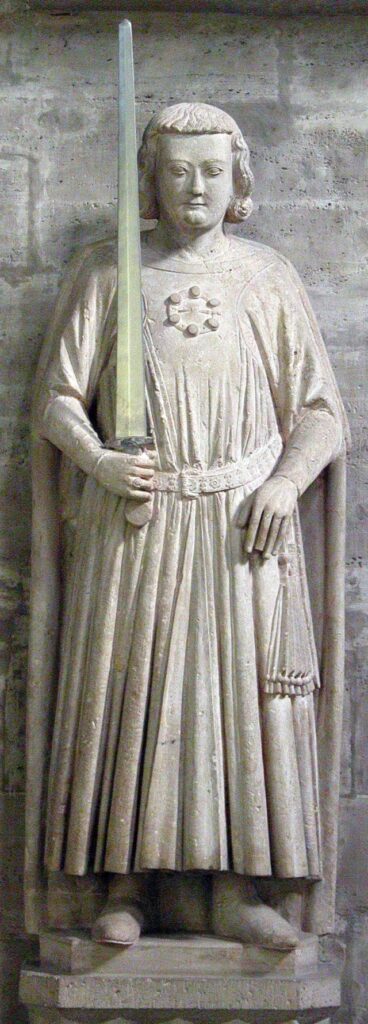
The most significant Norman-German connection came through the powerful Welf dynasty. Henry the Proud, Duke of Bavaria and Saxony, married Gertrude of Süpplingenburg, and their son was Henry the Lion. It was Henry the Lion’s own marriage to Matilda of England (daughter of Henry II and Eleanor of Aquitaine) in 1168 that cemented the Norman-Welf alliance. This Matilda brought not only Norman heritage but also vast English estates and political influence to Brunswick.
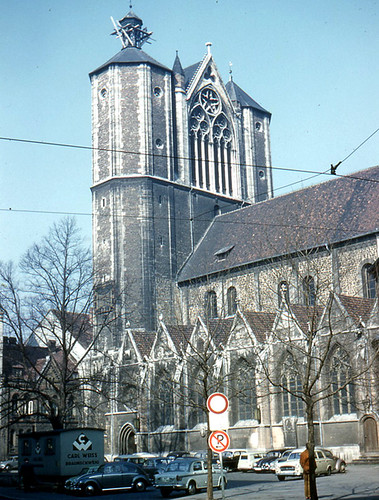
Henry the Lion transformed Brunswick into a major center of power, and his cathedral there—the Braunschweiger Dom—still stands as testament to this period. The lion monument he erected in the city square, the Burgplatz Lion (dated by modern research to between 1164-1176), became a symbol of ducal power and remains one of medieval Germany’s most iconic sculptures.
Crusading Connections
The crusading era brought further Norman-German interaction. Norman knights from southern Italy and Sicily fought alongside German crusaders, and the military orders they established created networks of castles and commanderies across both regions. The Knights Hospitaller, with strong Norman roots in their southern Italian priories, established significant holdings in German territories.
Trade and Diplomatic Networks
By the 12th and 13th centuries, merchants from Norman-controlled ports of England and the Channel coast maintained trade with German cities. Wool from Norman-ruled England flowed to Flemish and German weavers, while German silver and manufactured goods traveled west. These commercial ties, built on the political foundations laid by dynastic marriages, created lasting economic relationships.
The story of The Normans Who Changed the World extended far beyond their famous conquests in England and the Mediterranean. In Germany, through marriage alliances and commercial networks, the Norman legacy became woven into the fabric of the Holy Roman Empire. Today, monuments like the Brunswick Lion stand as reminders that Norman ambition and influence reached deep into the heart of medieval Europe, shaping German history in ways often overlooked by popular accounts of Norman achievement.
Tours & experiences in Germany


Powered by Viator. Some links are affiliate links — we may earn a small commission at no extra cost to you.