
Between September 1940 and May 1941, the German Luftwaffe conducted a sustained bombing campaign against Britain’s capital that would forever link the histories of Germany and the United Kingdom. The Blitz, as it came to be known, saw German bombers target London for 56 out of 57 consecutive nights beginning on September 7, 1940, followed by sporadic raids that continued into 1941.
The campaign was ordered by Adolf Hitler and Hermann Göring to break civilian morale and destroy Britain’s industrial capacity. German bombers, including the Heinkel He 111 and Dornier Do 17, took off from occupied France and the Low Countries to strike at the heart of the British Empire.
The Human Cost and German Perspective
More than 40,000 British civilians died during the Blitz, with over half of those deaths occurring in London. German aircrews, many of them young men conscripted into service, flew dangerous missions over heavily defended airspace. Hundreds of Luftwaffe aircraft were shot down over England, and many German pilots and crew members were killed or captured.
Today in Germany, the Blitz is taught as part of the broader history of World War II, often in the context of understanding how the Nazi regime’s aggression led to immense suffering on all sides. Museums across Germany, including the German Historical Museum in Berlin and the Documentation Center Nazi Party Rally Grounds in Nuremberg, present the bombing campaigns as part of the catastrophic consequences of the Third Reich’s policies.

What Remains Visible Today
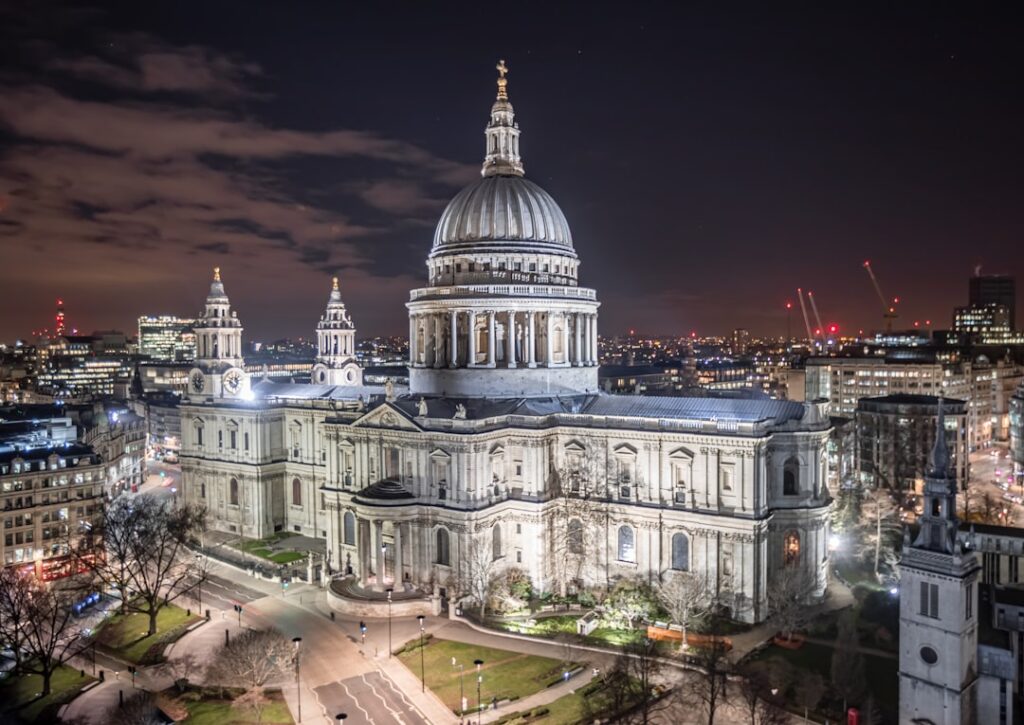
Visitors to London can still see the physical evidence of German bombing throughout the city. St. Dunstan in the East, a church destroyed in the Blitz, has been preserved as a public garden with its bombed-out Gothic walls still standing. The scars on buildings, preserved bomb shelters, and memorial sites serve as reminders of those nights when German aircraft filled the skies over the Thames.
For Germans visiting the British capital, these sites offer a sobering opportunity for reflection. London’s Blitz memorials and preserved ruins are not merely British history—they are part of German history too, representing a dark chapter that the country has worked to understand, acknowledge, and learn from in the decades since.
Reconciliation and Remembrance
The relationship between Germany and Britain has been transformed in the eight decades since the Blitz. Both nations are now NATO allies and partners in European cooperation. German school groups regularly visit London as part of educational programs focused on understanding the consequences of war and the importance of peace.
The Luftwaffe’s bombing campaign against London remains one of the most significant direct connections between Germany and the British capital—a connection forged in conflict but now serving as a foundation for understanding, education, and lasting peace between two nations that were once enemies.
Tours & experiences in Germany


Powered by Viator. Some links are affiliate links — we may earn a small commission at no extra cost to you.