

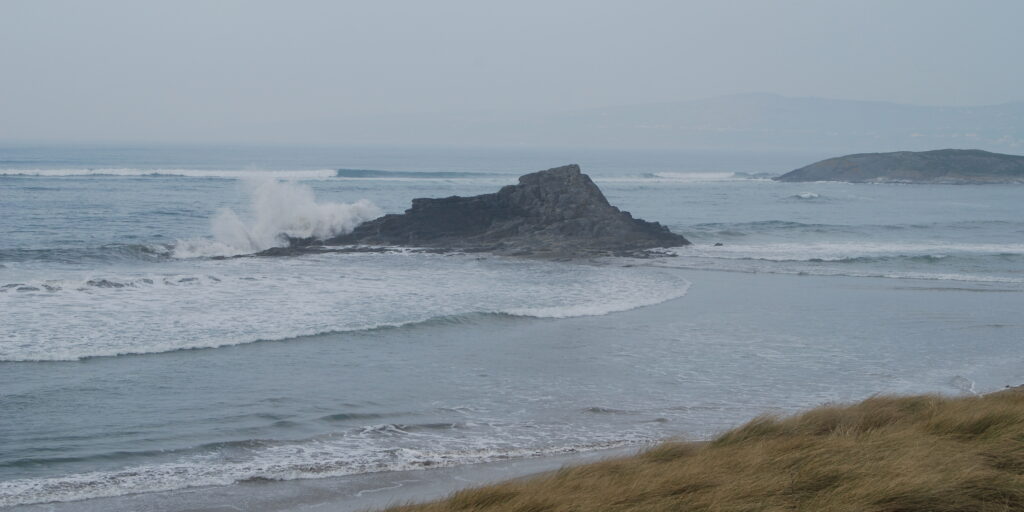
In the grey waters off the Kerry coast on Good Friday 1916, a German naval vessel disguised as a Norwegian trawler met its end. The Aud, carrying 20,000 Russian rifles and a million rounds of ammunition destined for Irish rebels, was scuttled by its own crew rather than surrendered to the Royal Navy. This dramatic episode remains one of the most tangible connections between Germany and the Easter Rising of 1916, Ireland’s pivotal rebellion against British rule.
The story begins in the corridors of Imperial Germany’s military intelligence, where the maxim “England’s difficulty is Ireland’s opportunity” found eager listeners. As World War I raged, Germany saw strategic value in supporting Irish independence movements. Roger Casement, the Irish revolutionary and former British diplomat, had travelled to Berlin in 1914 seeking German support for an armed uprising in Ireland.
What emerged was an audacious plan: a German cargo ship would deliver weapons to the Irish coast, timed to coincide with a nationwide rebellion. The vessel, originally named Castro, was renamed Libau by the Germans before being disguised as the Norwegian trawler Aud (or Aud-Norge). The ship was loaded with captured Russian weapons at the German port of Lübeck in early April 1916. Her captain, Karl Spindler, navigated the perilous journey around Scotland, evading British patrols.
The mission was doomed by miscommunication. The Aud arrived at Tralee Bay on April 20th, but confusion over dates and landing sites meant no Irish rebels were waiting to receive the arms. After circling the bay for hours, increasingly conspicuous, the ship was intercepted by the Royal Navy on April 21st. Rather than allow the weapons to fall into British hands, Captain Spindler opened the sea cocks and scuttled his vessel on April 22nd, 1916, in Cork Harbour.
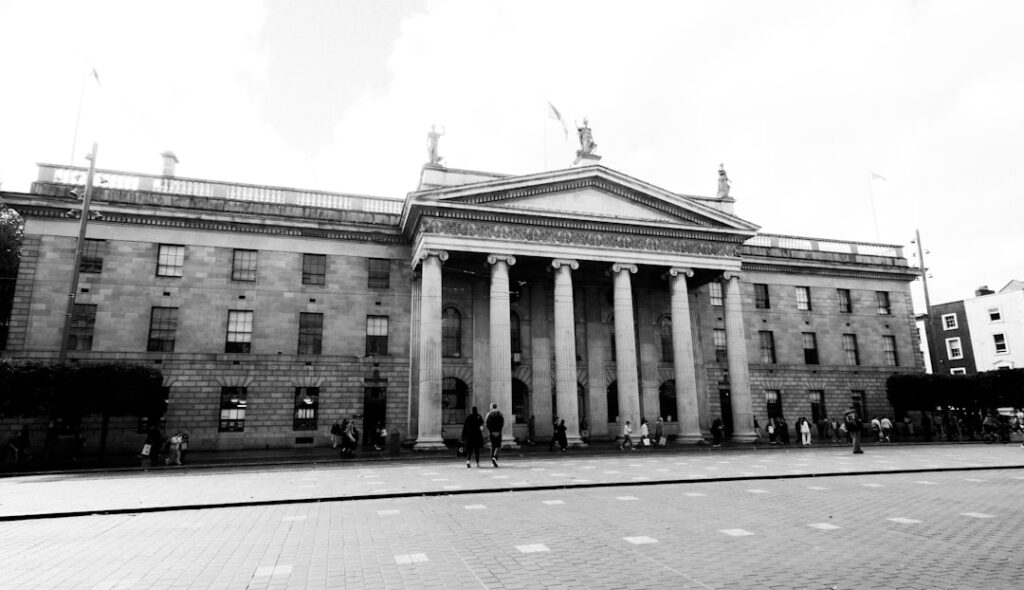
The loss of the German arms shipment was catastrophic for the planned uprising. Without the promised weapons, many Irish Volunteer units outside Dublin stood down. The rebellion that began on Easter Monday, April 24th, was largely confined to the capital, where insurgents seized key buildings and proclaimed an Irish Republic. The six days of fighting that followed would transform Irish history, even as the Rising itself was militarily defeated.
Roger Casement, who had travelled separately aboard a German U-boat, was arrested shortly after landing on Banna Strand in County Kerry. He was hanged for treason in London that August. Captain Spindler survived the war and later wrote about his Irish mission.
Today, the wreck of the Aud lies in Cobh Harbour, a protected site under Irish law. In Dublin, the story of German support for the Easter Rising is woven into the historical narrative of the rebellion, from the National Museum of Ireland’s collection to the guided walking tours that trace the six days that changed Ireland forever.
The Aud episode illustrates how Ireland’s struggle for independence intersected with the geopolitics of World War I. For Germany, it was a strategic gambit that failed. For Ireland, it became part of the complex, often contradictory legacy of 1916—a moment when international intrigue, revolutionary idealism, and military miscalculation converged on Irish shores.
Tours & experiences in Germany


Powered by Viator. Some links are affiliate links — we may earn a small commission at no extra cost to you.