
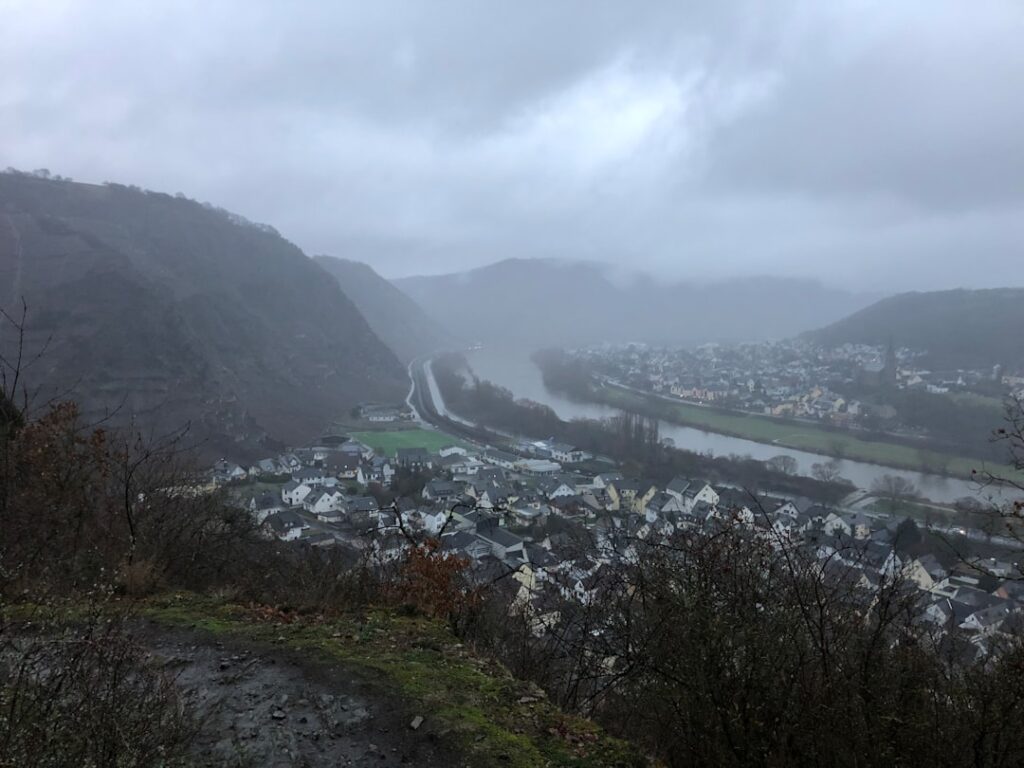
The Moselle Valley, or Moseltal, is one of Germany’s most enchanting wine regions, where the Moselle River carves impossibly tight loops through steep hillsides covered in terraced vineyards. Stretching from Trier to Koblenz, this 120-mile valley offers a captivating blend of dramatic natural beauty, world-class Riesling wines, medieval castles perched on hilltops, and half-timbered villages that seem frozen in time. For travelers seeking a romantic escape that combines stunning scenery, exceptional food and wine, and authentic German culture away from the crowds, the Moselle Valley delivers an unforgettable experience.
What sets the Moselle apart from Germany’s other wine regions is its distinctive landscape. The river’s serpentine path creates microclimates perfect for viticulture, while the impossibly steep slopes—some at 60-degree angles—produce some of the world’s finest Rieslings. The slate soil imparts a distinctive mineral quality to the wines, and the dramatic topography means that nearly every bend in the river reveals a postcard-perfect scene of vineyards cascading down to picturesque villages along the water’s edge.
The Valley’s Must-Visit Wine Towns
The Moselle Valley is dotted with charming towns, each with its own character and attractions. Cochem is perhaps the most photographed, dominated by the fairy-tale Reichsburg Castle perched 300 feet above the river. The town’s market square, lined with half-timbered houses and wine taverns, serves as the perfect base for exploring the middle Moselle region. Take the chairlift up to Pinnerkreuz for panoramic views of the river’s dramatic hairpin bend.
Bernkastel-Kues represents the heart of the Moselle’s wine culture, with its stunning medieval market square considered one of Germany’s most beautiful. The town hosts numerous wine festivals throughout the year, and its steep vineyards include the famous Bernkasteler Doctor, one of Germany’s most prestigious vineyard sites. Wander the narrow lanes lined with houses dating back to the 14th century, and don’t miss the ruins of Landshut Castle overlooking the town.
Trier, at the valley’s southern end, offers a different appeal as Germany’s oldest city and a UNESCO World Heritage Site. Founded by the Romans in 16 BC, Trier boasts the best-preserved Roman architecture north of the Alps, including the Porta Nigra gate and the impressive Constantine Basilica. The city combines ancient history with vibrant wine culture, making it an ideal starting or ending point for a Moselle journey.
The tiny village of Beilstein deserves special mention as the “Sleeping Beauty of the Moselle.” With no river promenade and just one small square, this impossibly picturesque village climbs the hillside beneath the ruins of Metternich Castle. Its intimate scale and authentic character provide a glimpse of the Moselle before tourism, though it does get crowded during peak season afternoons.
Wine Tasting and Culinary Experiences
No visit to the Moselle Valley would be complete without experiencing its wine culture firsthand. The region produces predominantly white wines, with Riesling accounting for about 60% of plantings. Moselle Rieslings are typically lighter and more delicate than their Rhine counterparts, with lower alcohol content and vibrant acidity that makes them incredibly food-friendly.
Many family-run wineries, or Weingüter, welcome visitors for tastings, often in atmospheric centuries-old cellars. Look for establishments marked with a green wreath and the word “Straußwirtschaft”—these are seasonal wine taverns where winemakers serve their own wines alongside simple regional dishes. It’s an authentic, convivial experience that connects you directly with the people who make the wine.
The valley’s cuisine perfectly complements its wines. Try Döppekooche, a hearty potato cake; Flammkuchen, similar to thin-crust pizza; or fresh trout from the river. In autumn, game dishes feature prominently on menus. Many restaurants occupy historic buildings with terraces overlooking the river—dining al fresco while watching river traffic and sunset light on the vineyards is quintessentially Moselle.
Getting There and Getting Around
The Moselle Valley is easily accessible from major German cities. Trier has direct train connections from Luxembourg, Cologne, and Koblenz. Frankfurt and Frankfurt Airport are about two hours away by car. Koblenz, at the valley’s northern end where the Moselle joins the Rhine, is well-connected to Germany’s rail network and makes an excellent entry point.
Once in the valley, you have several transportation options. Driving offers maximum flexibility, and the riverside roads (especially the B53 and B49) provide stunning views, though they can be narrow and winding. Consider basing yourself in one town and taking day trips. River cruises between major towns operate from April through October, offering a relaxing way to see the landscape from water level. The KD Line and other companies offer various routes and durations.
For active travelers, cycling the Moselle is exceptional. The well-maintained Mosel-Radweg follows the river for 150 miles from France to Koblenz, mostly flat and suitable for all fitness levels. You can rent bikes in most towns and many hotels cater specifically to cycling tourists. Alternatively, hiking trails through the vineyards—like the Moselle Wine Trail or local circular routes—reward with spectacular views and opportunities to stop at wineries along the way.
Best Time to Visit and Insider Tips
The Moselle Valley shines brightest in late spring through early autumn. May and June offer mild weather, blooming landscapes, and fewer crowds. September and October are particularly magical during harvest season when the vineyards burst with activity and autumn colors, though this is also peak season. Many wine festivals occur in autumn—check local calendars, as nearly every village hosts one. Winter is quiet and atmospheric, though many wineries and restaurants have limited hours.
Book accommodations well in advance for autumn weekends, especially during wine festivals. Consider staying in a Weingut that offers rooms—you’ll wake up surrounded by vineyards and have expert wine advice at breakfast. Midweek visits outside peak season offer better value and a more relaxed experience.
Don’t limit yourself to the most famous towns. Some of the valley’s most authentic experiences happen in tiny villages like Zell, Traben-Trarbach, or Alf. Arrive early or stay late to enjoy towns after the day-trippers leave. Finally, pace yourself when wine tasting—the wines may be lower in alcohol than many, but exploring multiple wineries requires moderation to fully appreciate each stop and safely navigate those winding roads.
Tours & experiences in Germany


Powered by Viator. Some links are affiliate links — we may earn a small commission at no extra cost to you.