

In the grey waters off the Kerry coast in April 1916, a disguised German ship sailed toward Ireland carrying a cargo that Berlin hoped would change the course of British history. The Aud, a captured British vessel refitted in Germany and manned by a German crew, was loaded with 20,000 Russian rifles and one million rounds of ammunition—all destined for Irish rebels planning an uprising in Dublin.
The story of Germany’s involvement in the Easter Rising of 1916 remains one of the most fascinating episodes of covert cooperation between Irish republicans and Imperial Germany during the First World War. While Britain and Germany fought each other across the trenches of France, German military intelligence saw an opportunity: supporting Irish independence could open a second front and divert British resources from the Western Front.
Roger Casement’s Mission to Berlin
The connection began with Sir Roger Casement, the Irish nationalist and former British consul who travelled to Berlin in 1914 seeking German support for Irish independence. Casement met with German Foreign Office officials and military intelligence, proposing an Irish Brigade formed from Irish prisoners of war in German camps. Though the brigade idea largely failed—only about 50 men joined from the thousands of Irish POWs—Germany remained interested in supporting an Irish rebellion.
By early 1916, German officials agreed to supply weapons for a planned uprising. The Imperial German Navy prepared the Aud, commanded by Captain Karl Spindler, for a secret mission to Tralee Bay. The ship sailed from Lübeck on April 9, 1916, disguised as a Norwegian vessel. Casement himself would follow separately aboard a German submarine, U-19.
A Mission That Failed
The operation was doomed by miscommunication and bad luck. The Aud arrived at the rendezvous point off the Kerry coast on April 20, but the Irish rebels, plagued by confusion over dates and locations, failed to meet the ship. After waiting for two days, Captain Spindler attempted to return to Germany but was intercepted by the Royal Navy on April 21.
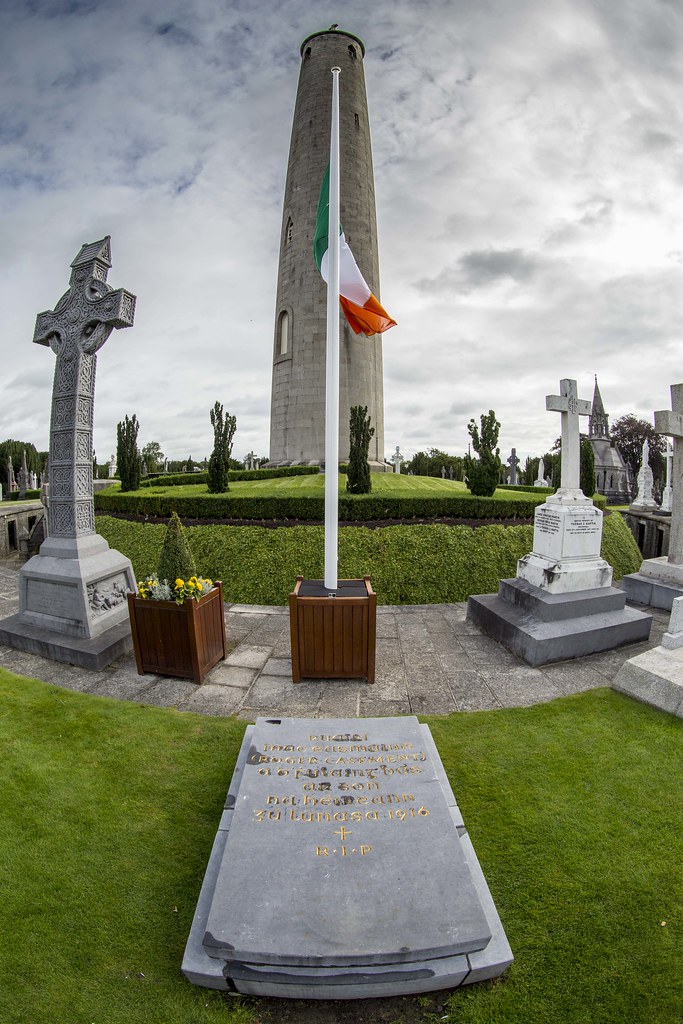
Rather than allow his ship and cargo to be captured, Spindler scuttled the Aud in Cork Harbour. The 20,000 rifles and ammunition sank to the bottom, never reaching the rebels in Dublin. Casement, who had landed separately from U-19 at Banna Strand in County Kerry, was arrested within hours. He would be tried for treason in London and executed in August 1916.
The Rising Without German Arms
Despite the loss of German weapons, the Easter Rising proceeded in Dublin on April 24, 1916. The rebels, far more poorly armed than they had hoped, seized key buildings across the city and proclaimed an Irish Republic. The rebellion lasted six days before British forces overwhelmed the insurgents. The execution of the Rising’s leaders transformed Irish public opinion and set Ireland on the path to independence.
Germany’s attempted intervention had failed, but it demonstrated the lengths to which Berlin was willing to go to undermine Britain during the Great War. The wreck of the Aud remained on the seabed of Cork Harbour for decades, a submerged monument to an ambitious plan that never came to fruition.
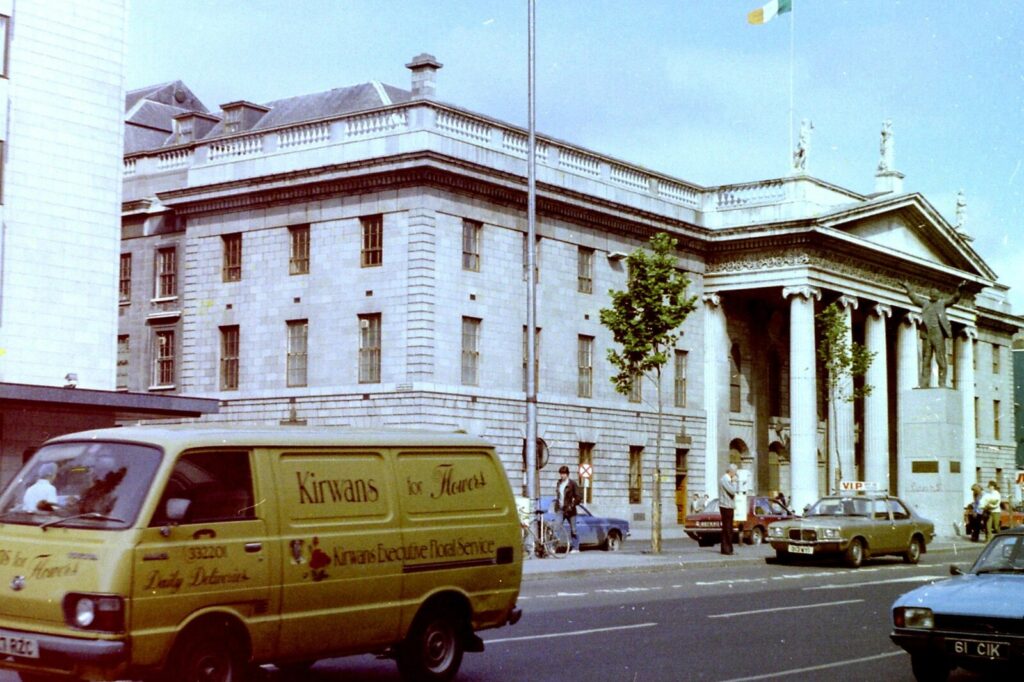
Today, visitors to Dublin can walk the streets where the Rising unfolded, from the General Post Office on O’Connell Street to the various strongpoints the rebels held. The German connection—the ship that never arrived, the weapons that never reached the rebels—remains a lesser-known but crucial part of this pivotal moment in Irish history, when Berlin’s strategic calculations briefly intersected with Dublin’s revolutionary dreams.
Tours & experiences in Germany


Powered by Viator. Some links are affiliate links — we may earn a small commission at no extra cost to you.