
In the heart of Rome, just beyond the ancient Aurelian Walls near the Porta San Paolo, lies the Cimitero Acattolico—the Non-Catholic Cemetery—a tranquil sanctuary where Germans have been laid to rest for more than two centuries. This remarkable burial ground serves as a testament to the deep historical connections between Germany and Italy’s capital city.
The cemetery, often called the Protestant Cemetery, was established in the 18th century when the Papal States permitted non-Catholics to be buried in a designated area outside the city walls. Among its most famous German residents is Johann Wolfgang von Goethe’s only son, August von Goethe, who died in Rome in 1830 at the age of 40. His grave remains a pilgrimage site for German visitors exploring their cultural heritage in the Eternal City.
The German community in Rome has maintained a continuous presence since the medieval period, when German pilgrims, artists, and clergy made the journey south to the papal seat. By the 19th century, Rome had become an essential destination for German artists and intellectuals during their Grand Tour, and many chose to remain permanently. The cemetery became their final resting place, creating a unique German corner in the Italian capital.
A Place of Artistic Memory
Beyond August von Goethe, the cemetery holds numerous German artists, scholars, and archaeologists who dedicated their lives to studying Roman antiquity. The German Archaeological Institute, founded in Rome in 1829, is one of the oldest foreign research institutions in the city, and several of its early directors and members are buried in the Non-Catholic Cemetery. These scholars helped shape modern understanding of ancient Rome and fostered enduring academic ties between Germany and Italy.
The cemetery also contains graves of German soldiers from both World Wars, though the main German military cemetery is located at Pomezia, south of Rome. The presence of these graves reflects the complex 20th-century history shared by the two nations, from alliance to occupation to reconciliation.
Modern Connections
Today, Rome hosts one of the largest German expatriate communities in Italy, with thousands of German citizens living and working in the capital. The Goethe-Institut, Germany’s cultural institute, maintains a prominent presence in Rome, continuing centuries of cultural exchange. For those interested in tracing your family in Lazio, the German connection provides an additional layer of research, as German parish records, diplomatic archives, and institutional documents may hold clues for families with ancestors who settled in Rome.
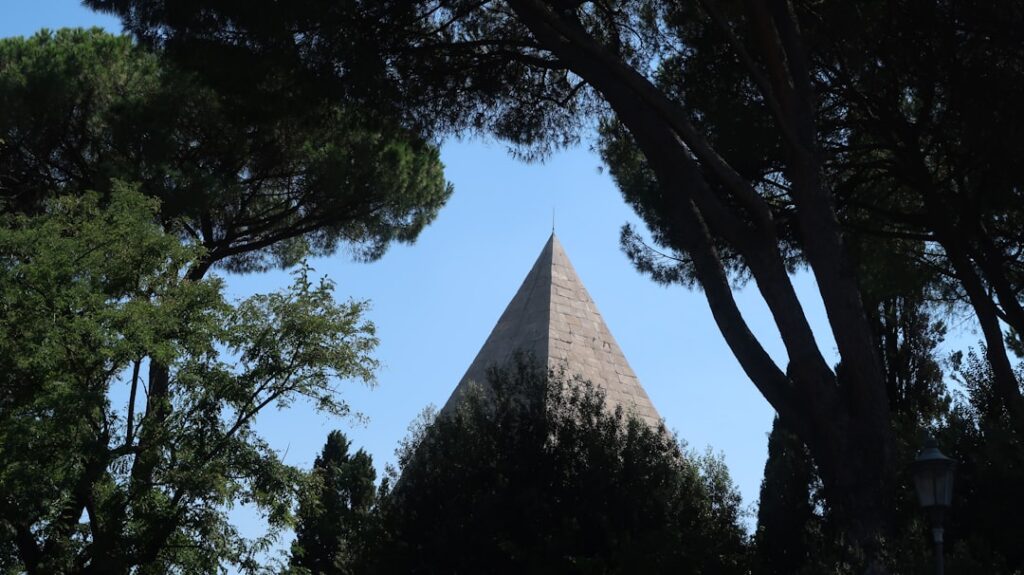
The cemetery itself is maintained by a foundation and remains an active burial ground, though space is extremely limited. It is surrounded by the ancient Pyramid of Cestius and the medieval city walls, creating a uniquely Roman landscape where German memory is preserved within layers of Italian history.
Visitors to the Cimitero Acattolico today find not just graves, but a living archive of German-Italian relations—a place where marble headstones inscribed in German rest beneath Mediterranean cypresses, where Romantic poets and modern diplomats share the same ground, and where the intertwined histories of two great European cultures are written in stone.
Tours & experiences in Germany


Powered by Viator. Some links are affiliate links — we may earn a small commission at no extra cost to you.