

For millions of Germans, the journey to America began and ended in New York City. Between 1820 and 1920, over five million German-speaking immigrants passed through the port of New York, making Germans the largest European immigrant group to arrive in the United States during this period. Today, their descendants represent the single largest ancestry group in America, and the records of their arrival remain preserved in archives across New York.
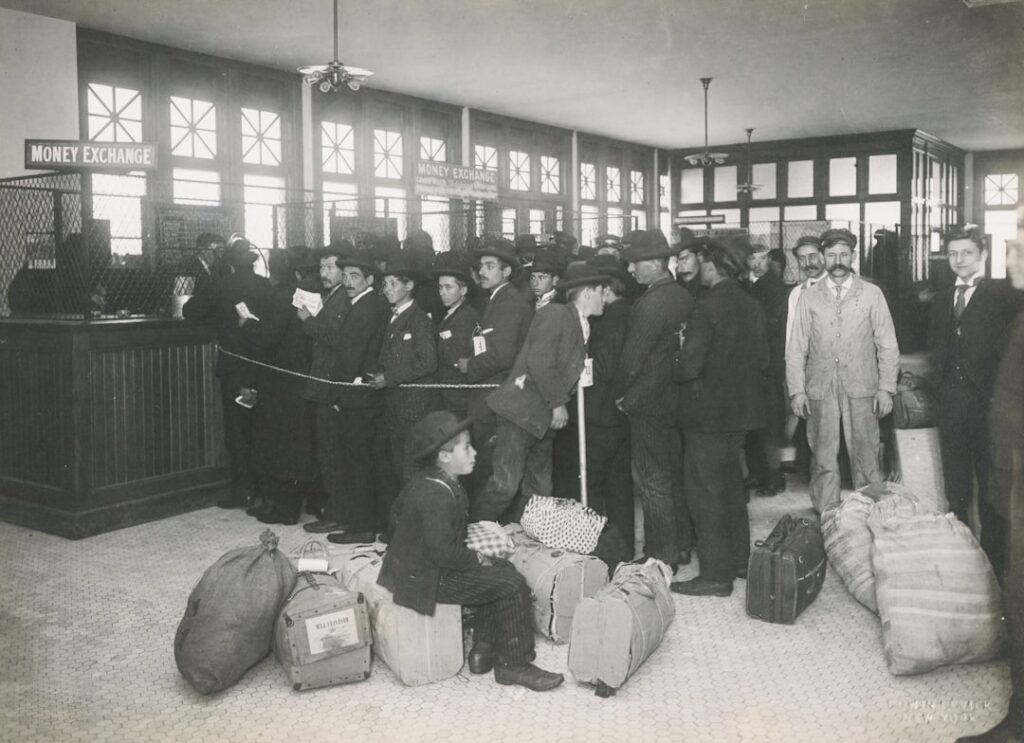
The story of German immigration to America is inseparable from New York’s harbour. Before Ellis Island opened in 1892, German immigrants arrived at Castle Garden in Lower Manhattan, where from 1855 to 1890 more than eight million people—many of them German—first set foot on American soil. The transition to Ellis Island marked a new chapter, but the German presence remained constant. New York City became home to hundreds of thousands of German-born residents, with entire neighbourhoods in Manhattan and Brooklyn becoming known as ‘Kleindeutschland’ or Little Germany.
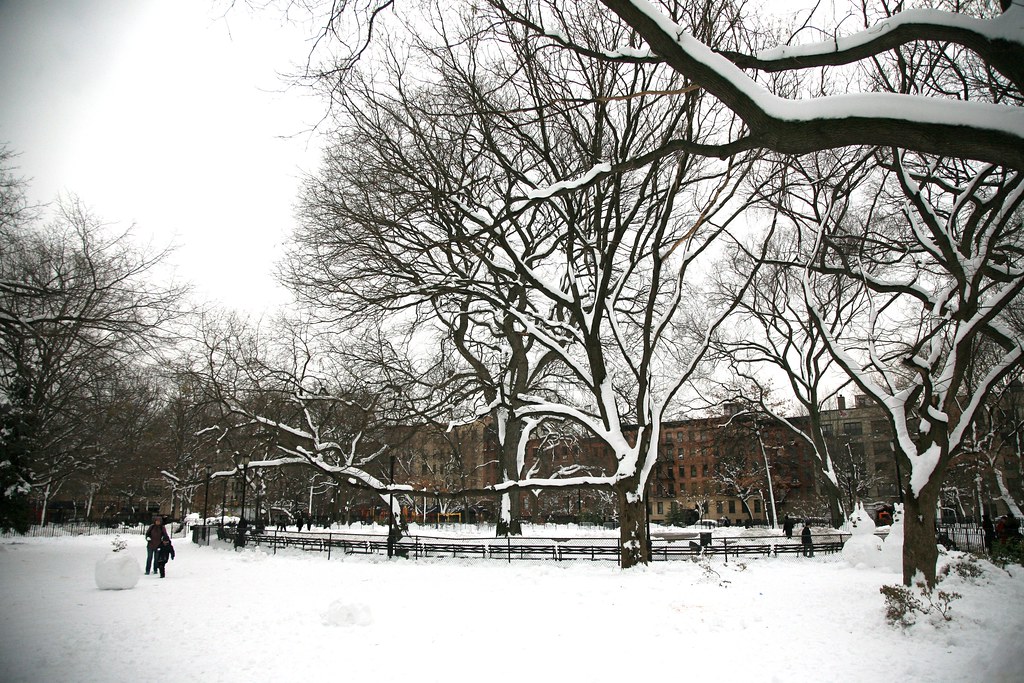
The largest of these German enclaves was centered around Tompkins Square Park on Manhattan’s Lower East Side, stretching from 14th Street down to Division Street and from the Bowery east to the river. At its peak in the late 19th century, this neighbourhood housed a massive German-speaking population. Churches conducted services in German, newspapers were printed in German, and the streets echoed with dialects from Bavaria, Saxony, and Prussia. The General Slocum disaster of 1904, which killed over 1,000 German-Americans during a church outing, devastated this community and accelerated its dispersal to other boroughs.
Following the Paper Trail
For Germans seeking to trace their family’s American journey, New York holds the key. Ship manifests, naturalization records, and census documents are preserved at the National Archives in Manhattan and at Ellis Island itself, now home to the American Family Immigration History Center. These records contain remarkably detailed information: the village of origin in Germany, the name of the ship, the date of arrival, and often the address of relatives already in America.
Genealogical societies have helped thousands of researchers navigate these archives. Many discover that their ancestors didn’t stay in New York but used it as a gateway to German communities in the Midwest—Milwaukee, Cincinnati, St. Louis—or to the farmlands of Texas and the Dakotas. Yet the New York records remain the essential starting point, the documentary evidence of that first American moment.
Planning Your Heritage Journey
Modern genealogists traveling from Germany to trace their New York roots should begin their research before departure. The FamilySearch website offers digitized New York passenger lists, and Germany’s own emigration records—particularly from Bremen and Hamburg, the primary departure ports—can be cross-referenced with New York arrival documents. Once in New York City, the Ellis Island Immigration Museum offers free access to its database and guided tours that bring the immigrant experience vividly to life.
While Little Germany has largely vanished from the Lower East Side, traces remain. The old St. Mark’s Church in-the-Bowery still stands, as does the building that once housed the German Exchange Bank. Walking these streets with ship manifests and old addresses in hand, descendants of German immigrants can stand where their great-great-grandparents once stood, completing a circle that began more than a century ago on the docks of Bremen or Hamburg and ended on the cobblestones of Manhattan.
Tours & experiences in Germany


Powered by Viator. Some links are affiliate links — we may earn a small commission at no extra cost to you.