
Würzburg doesn’t shout for attention the way Munich or Nuremberg do, but this Franconian city on the Main River deserves a place on every traveler’s Germany itinerary. With its UNESCO World Heritage palace, hillside fortress, and some of the country’s finest Franconian wines, Würzburg offers a perfect blend of baroque grandeur and river valley charm.
The city sits at the northern gateway to the Romantic Road, making it an ideal starting point for exploring Bavaria—or a destination worth several days on its own.
The Würzburg Residenz: Tiepolo’s Masterpiece
The Würzburg Residenz stands as one of Europe’s most important baroque palaces, built between 1720 and 1744 for the prince-bishops who ruled this region. Step through the entrance and look up: the staircase hall ceiling fresco by Giovanni Battista Tiepolo is the largest in the world, a dizzying representation of the four continents known at the time.
The White Hall and Imperial Hall showcase rococo decoration at its finest, with stucco work so delicate it seems to float. The Court Chapel, tucked into the palace’s northwest corner, proves that even small spaces can achieve grandeur when master craftsmen are given free rein.
The palace gardens behind the Residenz offer formal parterres, fountains, and shaded walks—bring a picnic lunch and settle in. Entry to the gardens is free; the palace interior requires a timed ticket, which you can purchase on-site or online. English audio guides are included with admission.
Marienberg Fortress and the Old Main Bridge
Cross the Alte Mainbrücke, the Old Main Bridge built in the 15th century, and you’ll find yourself among locals clutching glasses of Franconian wine. The bridge has become Würzburg’s unofficial outdoor wine bar, especially at sunset when the light hits Marienberg Fortress on the hill above.
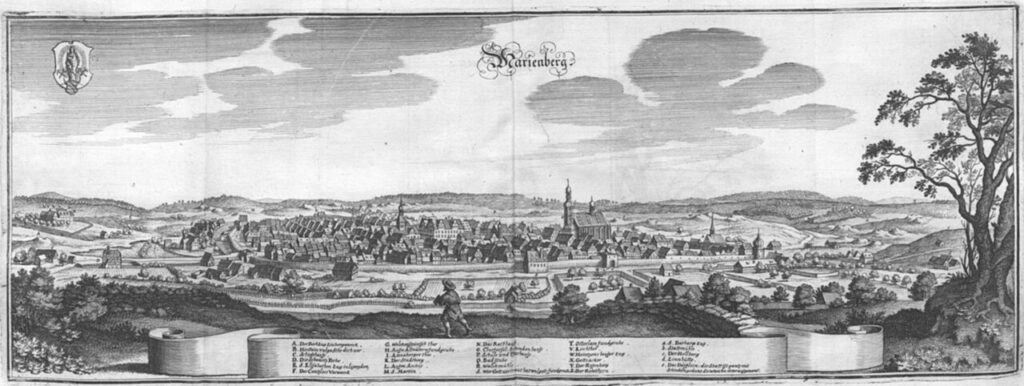
The fortress itself dates to 1201 and served as the prince-bishops’ residence before they moved to the Residenz. Today it houses the Mainfränkisches Museum, with an exceptional collection of works by Tilman Riemenschneider, the medieval master sculptor who spent most of his career in Würzburg. The view from the fortress terrace across the city and vineyards is worth the uphill walk alone.
You can hike up through the vineyards in about 20 minutes, or take bus 9 from the city center. The walk through the Stein vineyards offers glimpses of the traditional terraced viticulture that has defined this landscape for centuries.
Franconian Wine and the Stein Vineyards
Würzburg sits at the heart of Franconia’s wine country, and Silvaner is the grape that matters here. Unlike the Riesling-dominated regions along the Rhine and Moselle, Franconian wines come in distinctive squat bottles called Bocksbeutel and tend toward drier, earthier flavors.
The Stein vineyard, rising directly behind Marienberg Fortress, is one of Germany’s most famous single vineyard sites. Several wine estates offer tastings in their historic cellars—Bürgerspital, Juliusspital, and Staatlicher Hofkeller all maintain tasting rooms in the old town where you can sample current vintages alongside cheese and local Winzerbrot (vintner’s bread).
For a deeper dive, visit during the Würzburg Wine Festival in late May and early June, when the Market Square fills with wine stands and the entire city celebrates the new vintage. The atmosphere is convivial, the wines flow freely, and locals are happy to explain the finer points of Franconian Silvaner to curious visitors.
Practical Tips for Visiting Würzburg
Würzburg is easily reached by train from Frankfurt (about 70 minutes), Munich (two hours), or Nuremberg (one hour), making it an excellent stop on a longer Bavaria itinerary or a manageable day trip from several major cities.
The old town is compact and walkable. Start at the Residenz in the morning when light floods the Tiepolo fresco, then work your way through the pedestrian streets to the Old Main Bridge by late afternoon. The tourist information office on Market Square offers excellent free walking tour maps.
If you’re continuing south on the Romantic Road, rent a car in Würzburg rather than in a larger city—rates are often better, and you’ll skip the hassle of navigating out of Munich or Frankfurt. The drive from Würzburg to Rothenburg ob der Tauber takes just over an hour through rolling Franconian countryside.
For accommodations, stay near the old town to maximize walking time. Several hotels occupy historic buildings within view of the Residenz, and small family-run guesthouses dot the streets between the palace and the river.
Würzburg rewards those who linger. Spend an evening on the Old Main Bridge with a glass of Stein Silvaner, watch the light fade over Marienberg, and you’ll understand why this baroque city on the Main has charmed travelers for centuries.
Want more stories like this? Subscribe to the Love Germany newsletter and get one short story about Germany’s hidden corners, practical tips, and travel inspiration delivered to your inbox every day.
Tours & experiences in Germany


Powered by Viator. Some links are affiliate links — we may earn a small commission at no extra cost to you.