
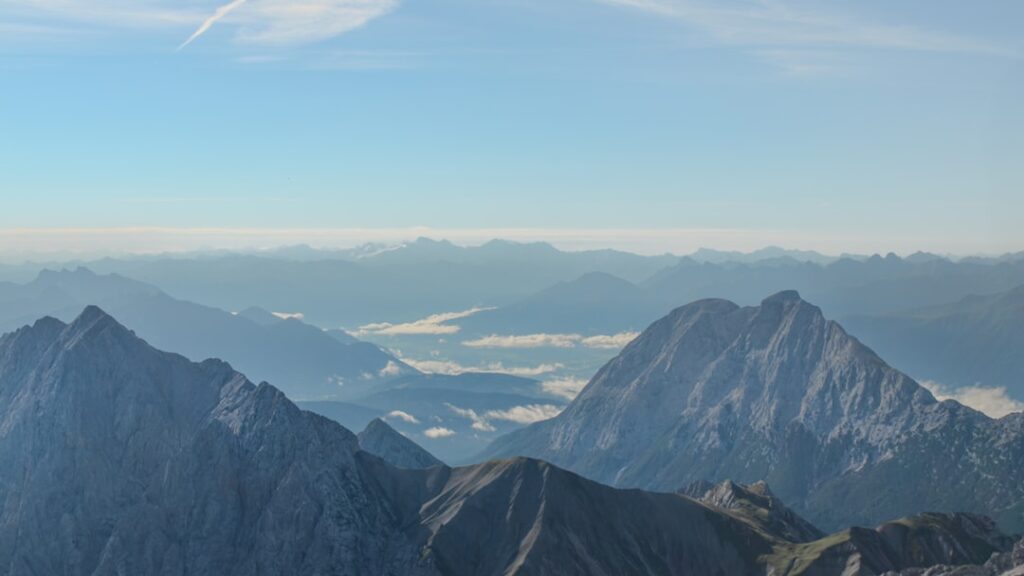
Standing at 2,962 meters (9,718 feet) above sea level, the Zugspitze isn’t just Germany’s highest peak—it’s a spectacular alpine destination that offers visitors stunning panoramic views across four countries, world-class skiing, and an unforgettable mountain experience accessible to adventurers of all levels. Located in the Bavarian Alps near the Austrian border, this iconic summit has captivated travelers since the first ascent in 1820 and continues to draw over half a million visitors annually who come to stand on top of Germany.
What makes the Zugspitze truly special is its remarkable accessibility combined with genuine alpine grandeur. While many of Europe’s highest peaks require technical climbing skills, the Zugspitze welcomes everyone from families with young children to serious mountaineers, thanks to its ingenious system of cable cars and cogwheel railways. Yet despite this accessibility, the mountain loses none of its majesty—the views from the summit are absolutely breathtaking, stretching across more than 400 peaks in Germany, Austria, Switzerland, and Italy on clear days.
Reaching the Summit: Three Routes to the Top
Part of the Zugspitze’s appeal lies in the journey itself, and visitors can choose from three different routes to reach the summit. The most popular option is the Zugspitze Cable Car from Eibsee lake, which whisks passengers 1,950 vertical meters to the top in just ten minutes. This modern marvel, opened in 2017, features panoramic cabins that offer unobstructed views during the ascent and holds the record as the highest cable car in Germany.
The second option is the Zugspitze Railway (Zahnradbahn), a cogwheel train that departs from Garmisch-Partenkirchen and climbs through tunnels and along mountainsides to the Zugspitzplatt glacier plateau. From there, a short cable car ride completes the journey to the summit. This route takes longer—about 90 minutes total—but offers a more leisurely experience with historical charm, as the railway has been operating since 1930.
The third route combines the Eibsee Cable Car with the glacier cable car from the Austrian side via Ehrwald. Adventurous visitors can even hike to the summit, though this requires excellent fitness, proper equipment, and alpine experience. The most popular hiking route from Höllental takes 8-10 hours and includes via ferrata sections with fixed cables.
What to Experience at the Summit
Once at the top, visitors find themselves in a unique alpine environment that straddles the German-Austrian border. The summit cross, decorated with the golden Bavarian lion and Austrian eagle, marks the actual peak and is a must-visit spot for the obligatory summit photo. The viewing platforms offer 360-degree panoramas that are particularly spectacular on clear days—arrive early in the morning for the best visibility before afternoon clouds roll in.
The summit complex includes several facilities that make extended visits comfortable. The Panorama 2962 restaurant serves Bavarian and international cuisine with floor-to-ceiling windows overlooking the Alps, while the Gipfelalm offers more casual dining options. Coffee and cake at Germany’s highest beer garden is an experience in itself. Don’t miss the small glacier museum that explains the formation of the Alps and the changing mountain environment.
For the adventurous, hiking trails around the summit plateau allow for exploration of the glacier terrain (appropriate footwear essential), and in summer months, you might even spot ibex and chamois on the rocky slopes. The permanent snow and ice make the Zugspitze feel genuinely arctic, even in July and August, so bring warm clothing regardless of the season.
Skiing and Winter Sports Paradise
The Zugspitze is Germany’s only glacier ski area, offering skiing and snowboarding from September through May—and sometimes even into summer. The ski area features 20 kilometers of slopes ranging from beginner to expert level, serviced by modern lifts. What sets Zugspitze apart from other ski resorts is the combination of guaranteed snow conditions, spectacular scenery, and the novelty of skiing on Germany’s rooftop.
Winter visitors will find the mountain transformed into a snowy wonderland, with opportunities for snowshoeing, winter hiking on prepared trails, and simply enjoying the crisp mountain air and pristine alpine environment. The Christmas season brings special magic, though crowds increase significantly during this period.
Planning Your Visit: Practical Information
The Zugspitze is located just 90 minutes south of Munich by car via the A95 motorway to Garmisch-Partenkirchen. The town of Garmisch-Partenkirchen serves as the main base, offering excellent hotels, restaurants, and other attractions. Regular trains connect Munich to Garmisch-Partenkirchen in about 90 minutes, making a car-free visit entirely feasible.
Ticket prices vary by route and season, with combination tickets offering the best value. Expect to pay around €60-70 for a round-trip summit ticket in summer 2024. Booking online in advance often provides discounts and guarantees access during peak periods. The cable cars and trains operate year-round, though weather can occasionally cause temporary closures.
Best time to visit: For views, come between late September and early November or in early spring (April-May) when visibility tends to be excellent. Summer months (June-August) offer warmest temperatures but also largest crowds and more afternoon cloud cover. Winter sports enthusiasts should target January through March for optimal snow conditions.
Insider tips: Start your journey early—the first ascent at 8:00 AM typically encounters fewer crowds and offers the clearest views. Weather changes rapidly in the mountains, so check forecasts and dress in layers. Even in summer, temperatures at the summit rarely exceed 10°C (50°F), and wind chill can make it feel much colder. Finally, allow at least 3-4 hours for your visit to fully enjoy the summit experience without rushing.
Tours & experiences in Germany


Powered by Viator. Some links are affiliate links — we may earn a small commission at no extra cost to you.