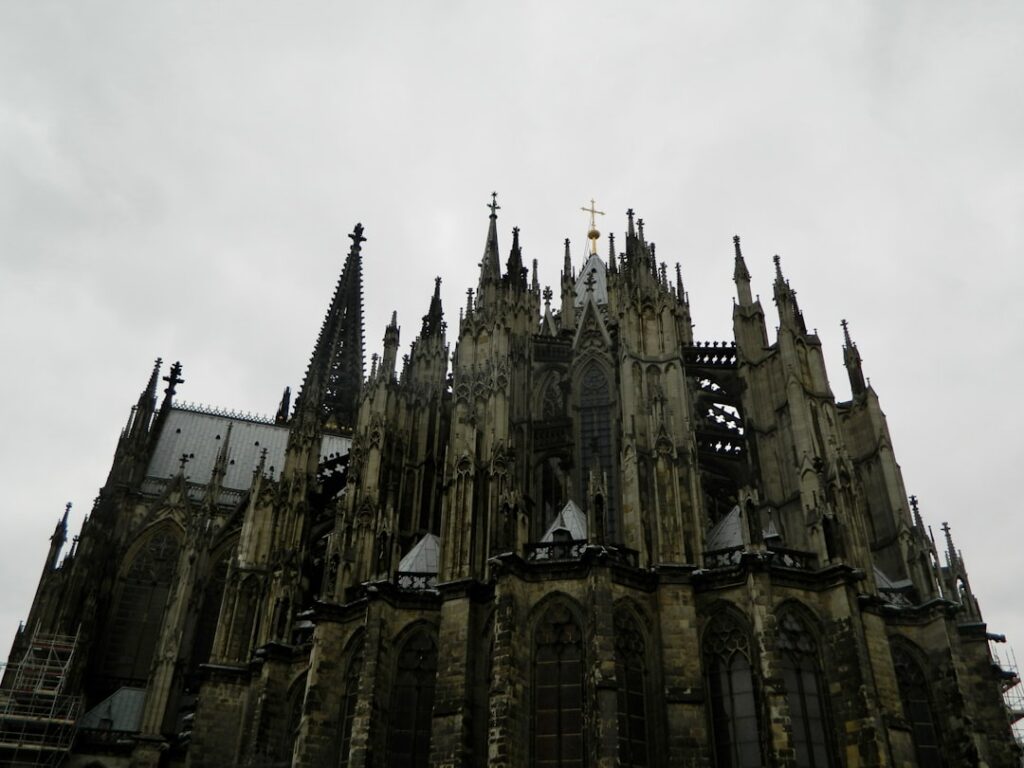
Rising majestically above the Rhine River, the Cologne Cathedral (Kölner Dom) stands as one of the world’s greatest Gothic masterpieces and Germany’s most visited landmark. With its iconic twin spires piercing the skyline at 515 feet, this UNESCO World Heritage Site dominates the Cologne cityscape and has captivated visitors for over seven centuries. Whether you’re an architecture enthusiast, a history buff, or simply seeking an unforgettable German experience, the Cologne Cathedral delivers on every front.
Construction began in 1248 to house the reliquary of the Three Wise Men, but the cathedral wasn’t completed until 1880—a staggering 632 years later. Today, it welcomes over six million visitors annually, making it not just Germany’s most popular attraction but also a living testament to medieval craftsmanship and unwavering human ambition.
What Makes Cologne Cathedral Extraordinary
The sheer scale of Cologne Cathedral overwhelms the senses. As you approach from the main train station—conveniently located just steps away—the cathedral’s blackened facade (from centuries of weathering and pollution) creates a dramatic silhouette against the sky. The western facade alone features intricate stone carvings, pointed arches, and flying buttresses that exemplify High Gothic architecture at its finest.
Step inside, and you’ll find yourself in a soaring space where 144-foot-high ceilings seem to reach toward heaven. The cathedral’s interior stretches 474 feet in length, creating an atmosphere of awe that has moved visitors for generations. The most precious treasure sits in a golden shrine behind the high altar: the Shrine of the Three Kings, an ornate reliquary believed to contain the remains of the Biblical Magi. Crafted in the early 13th century, this gilded sarcophagus is the largest reliquary in the Western world and the reason the cathedral was built in the first place.
Art lovers shouldn’t miss the cathedral’s stunning stained glass windows. While many date from the 19th century, the south transept features a breathtaking modern addition: a 2007 window by German artist Gerhard Richter consisting of 11,500 hand-blown glass squares in 72 colors, creating an abstract pixel-like effect that floods the interior with kaleidoscopic light.
Climbing the South Tower and Other Must-Do Experiences
For those with energy and determination, climbing the 533 steps of the south tower is an absolute must. The narrow, spiraling stone staircase—worn smooth by centuries of footsteps—leads you past the massive 24-ton St. Peter’s Bell (the largest functioning swing bell in the world) and eventually to a viewing platform 328 feet above the city. The panoramic views of Cologne’s Old Town, the Rhine River, and the surrounding landscape make every step worthwhile. Be warned: there’s no elevator, and the medieval stairway can feel claustrophobic, but the achievement and the vistas are unforgettable.
Back on ground level, take time to explore the Treasury, located in the cathedral’s medieval vaults. This often-overlooked museum houses an impressive collection of liturgical objects, vestments, manuscripts, and reliquaries spanning a thousand years of religious art and history.
Don’t rush your visit. Walk around the exterior to appreciate the flying buttresses and intricate details from different angles. The park behind the cathedral offers a peaceful spot to sit and marvel at the architectural feat from a distance. Evening visits are particularly magical when the cathedral is illuminated, creating a spectacular sight against the night sky.
Getting There and Planning Your Visit
Cologne Cathedral enjoys one of the most convenient locations of any major European attraction. The Cologne Hauptbahnhof (main train station) sits directly adjacent to the cathedral—you’ll see the spires immediately upon exiting the station. Cologne is well-connected by train to all major German cities, with frequent ICE high-speed trains from Frankfurt (1 hour), Düsseldorf (30 minutes), and Berlin (4.5 hours).
The cathedral is open to visitors daily, with general admission free of charge—a remarkable gift considering its significance. Hours are typically Monday through Saturday from 6:00 AM to 8:00 PM, and Sunday from 1:00 PM to 4:30 PM, though times may vary for services. Tower climbs and Treasury visits require separate tickets (around €6 and €7 respectively) and have more limited hours.
The best time to visit depends on your priorities. Summer (June through August) brings warm weather and long days but also the largest crowds. Spring and fall offer pleasant temperatures and fewer tourists, making them ideal for photography and contemplation. Winter, especially during the Christmas market season, transforms the cathedral square into a magical wonderland, though expect cold temperatures.
Insider Tips for Your Cathedral Visit
Arrive early in the morning or late in the afternoon to avoid peak crowds, especially if you plan to climb the tower. The first hour after opening offers the most serene experience inside the cathedral itself.
Dress respectfully—shoulders and knees should be covered, as this is an active place of worship. Free organ concerts are held regularly; check the cathedral’s website for schedules. Attending a service, even briefly, provides insight into the cathedral’s continuing religious significance.
After your visit, explore the Romano-Germanic Museum next door, which showcases Cologne’s 2,000-year history, or stroll across the Hohenzollern Bridge, where thousands of “love locks” create a unique photo opportunity with the cathedral as your backdrop.
Photography is permitted inside, but be mindful of services and other visitors. The exterior shots are best captured from the train station plaza or from across the Rhine in the Deutz neighborhood.
Cologne Cathedral isn’t just a monument to the past—it’s a living, breathing heart of German culture that continues to inspire wonder in everyone who encounters its Gothic grandeur. Whether you spend an hour or an entire afternoon, this architectural marvel will leave an indelible mark on your German journey.
Tours & experiences in Germany


Powered by Viator. Some links are affiliate links — we may earn a small commission at no extra cost to you.