
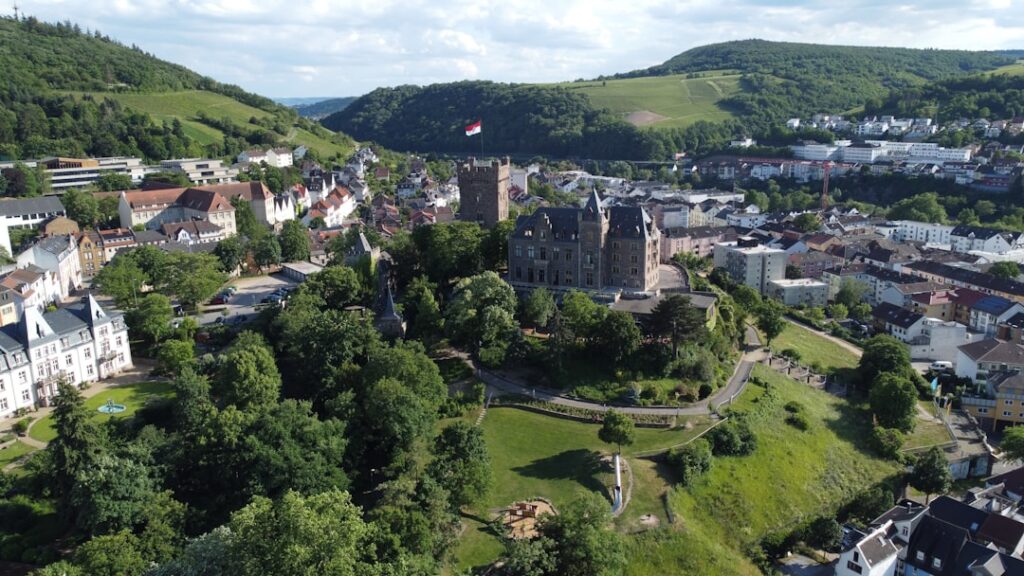
Between September 1940 and May 1941, the German Luftwaffe conducted a sustained bombing campaign against London that would forever alter both cities. Known as the Blitz, this chapter of the Second World War left physical and emotional scars that remain visible today—not only in London, but also in the German capital where the orders originated and the consequences eventually returned.
The campaign was directed from the Reich Aviation Ministry in Berlin, where Hermann Göring commanded the Luftwaffe. German bomber crews—flying Heinkel He 111s, Dornier Do 17s, and Junkers Ju 88s—departed from occupied airfields in France, Belgium, and the Netherlands, with their missions planned in Berlin’s military command centres.
For 57 consecutive nights beginning on September 7, 1940, German bombers targeted London in what became one of history’s most intensive aerial bombardments of a civilian population. The campaign killed more than 40,000 British civilians and destroyed or damaged more than a million houses. The intent was to break British morale and force a negotiated peace, but the strategy ultimately failed.
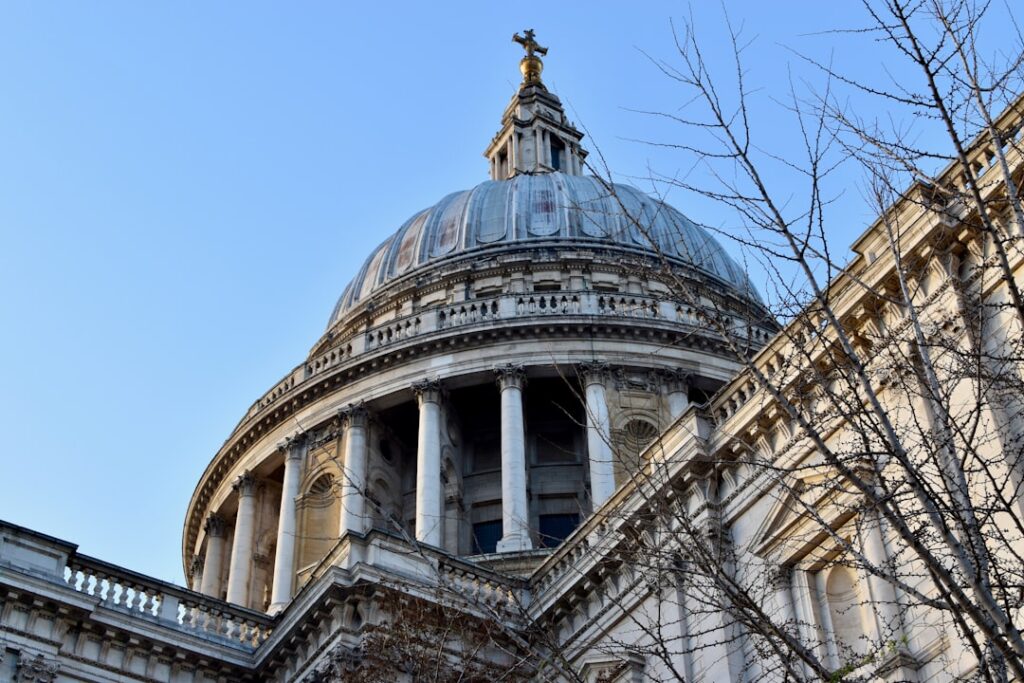
The Architects and Their Fates
Hermann Göring, who commanded the Luftwaffe from Berlin, never achieved the decisive victory Hitler demanded. His failure over Britain marked the beginning of his decline in Nazi hierarchy. After the war, Göring was tried at Nuremberg and committed suicide before his scheduled execution.
Albert Speer, Hitler’s chief architect and later Minister of Armaments, watched from Berlin as the Luftwaffe’s strategies evolved. In his postwar memoirs, he reflected on the moral bankruptcy of targeting civilians—a practice that would be turned against German cities with devastating effect. By 1943, the RAF and USAAF were conducting their own strategic bombing campaign against Berlin, Hamburg, Dresden, and other German cities.
Berlin’s Reckoning
The ruins, shelters, and stories of London’s Blitz remain accessible to visitors today, preserved as testament to civilian resilience. But Berlin, too, bears the marks of this chapter. The Kaiser Wilhelm Memorial Church, left deliberately unrepaired after Allied bombing, stands as Berlin’s most prominent reminder of the destruction that aerial warfare brought home to Germany.
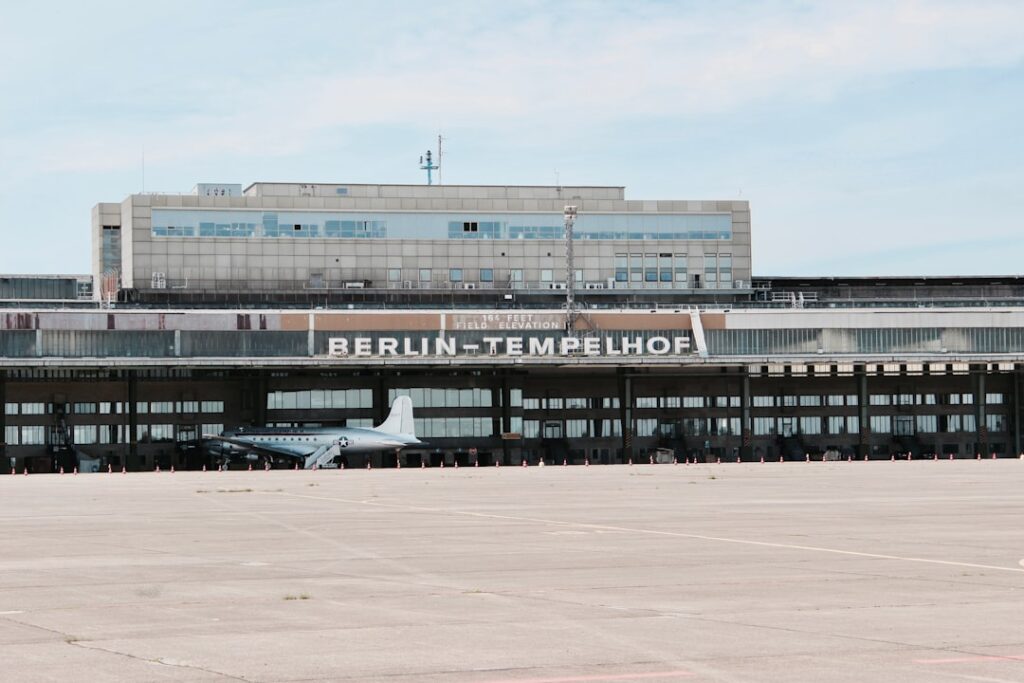
Tempelhof Airport, which during the war was used for aircraft assembly, is now a public park where Berliners fly kites and have picnics on the former runways. The Reich Aviation Ministry building, where Göring commanded the Luftwaffe, survived the war and now houses Germany’s Federal Ministry of Finance—its Nazi-era architecture a controversial but undeniable part of Berlin’s landscape.
Visiting the Historical Sites
Today, visitors to Berlin can trace the German side of this history at several locations. The German Resistance Memorial Center documents those Germans who opposed the Nazi regime, including the bombing campaigns. The Topography of Terror, built on the former Gestapo headquarters site, provides extensive documentation of Nazi war crimes, including the Blitz.
Understanding London’s Blitz requires acknowledging its origins in Berlin. The two cities remain forever linked by this traumatic period—London as the target that refused to break, Berlin as the capital that ordered the attacks and ultimately suffered similar devastation in return. Both cities chose to preserve rather than erase these painful memories, ensuring that future generations understand the true cost of total war.
Tours & experiences in Germany


Powered by Viator. Some links are affiliate links — we may earn a small commission at no extra cost to you.