
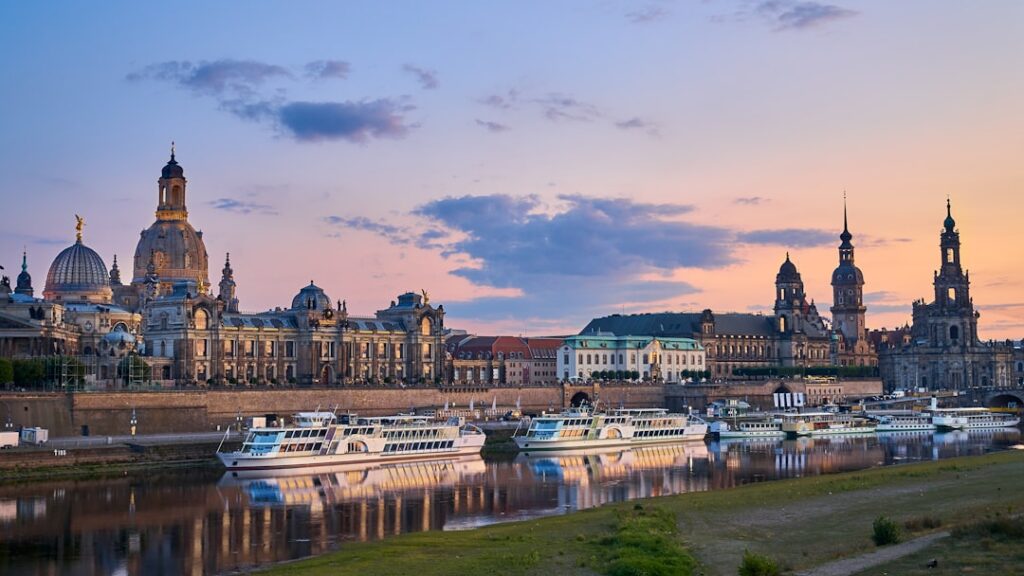
Between 1820 and 1920, millions of Germans emigrated to the United States, making them one of the largest immigrant groups in American history. For many, the journey began in Bremen or Hamburg and ended at Castle Garden or Ellis Island in New York Harbor, where they took their first steps on American soil.
New York City became the primary gateway for German immigrants throughout the 19th and early 20th centuries. During the mid-19th century, particularly in the 1850s through 1880s, New York City was the third-largest German-speaking city in the world after Berlin and Vienna. While some continued westward to settle in the Midwest, hundreds of thousands remained in New York, transforming entire neighbourhoods and leaving an indelible mark on the city’s culture, economy, and identity.
Kleindeutschland: Little Germany on the Lower East Side
By the 1850s, the Lower East Side and parts of the East Village had become known as Kleindeutschland—Little Germany. This neighbourhood became the heart of German immigrant life in New York City, with tens of thousands of German-speaking residents concentrated in the area.
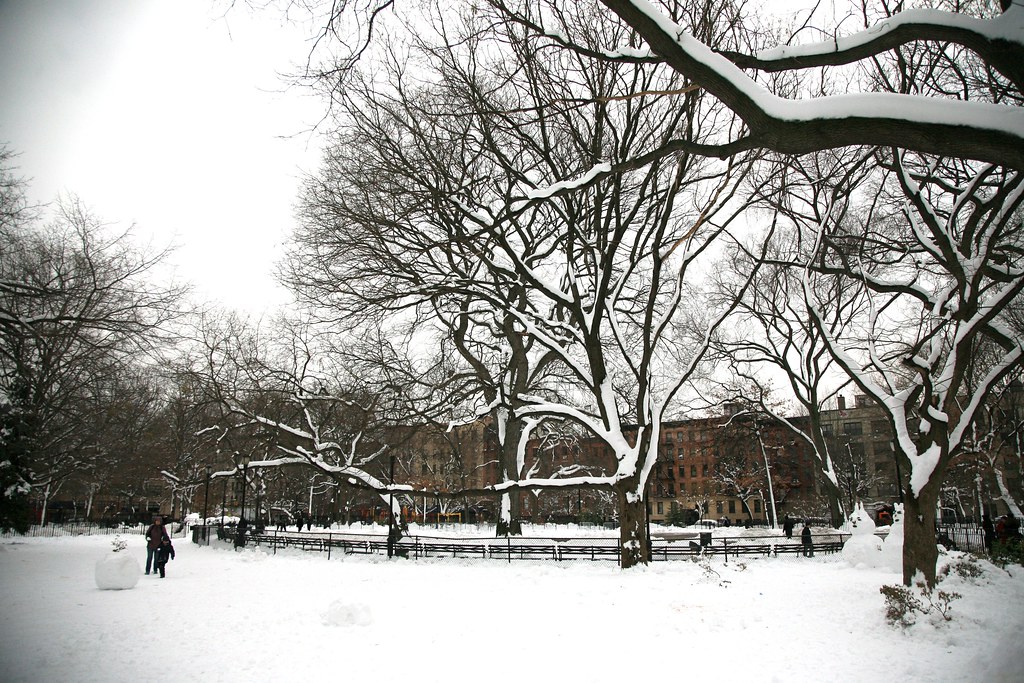
German immigrants established breweries, beer gardens, churches, schools, newspapers, and mutual aid societies. Tompkins Square Park became the heart of German community life, surrounded by German-language theatres, Turner halls for gymnastics, and countless shops selling German goods. The neighbourhood’s character was so distinct that street signs were often printed in both English and German.
Why They Left Germany
The reasons for this mass migration were varied and evolved over time. Political upheaval following the failed revolutions of 1848 sent thousands of intellectuals and political refugees—the so-called Forty-Eighters—to American shores. Economic hardship, crop failures, and the fragmentation of inherited farmland under Napoleonic inheritance laws pushed rural Germans to seek opportunity abroad.
Religious persecution also played a role, particularly for Jews from German-speaking regions and members of dissenting Protestant sects seeking freedom of worship. For many, America represented not just economic opportunity but the promise of political liberty and social mobility impossible in the rigid class structures of 19th-century German states.
The Journey and Arrival
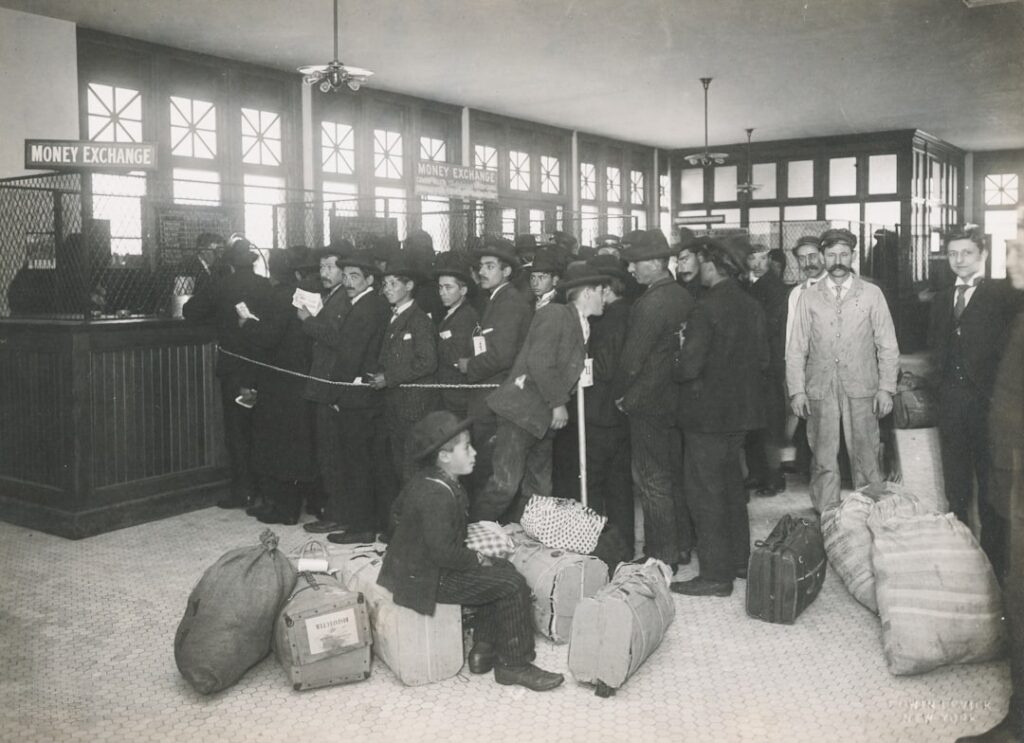
Upon arrival in New York, immigrants faced processing at Castle Garden (1855-1890) and later Ellis Island (1892-1954). Here, officials recorded names—often Anglicizing them—examined health, and determined admissibility. These records now form the backbone of genealogical research for millions of Americans tracing their German roots.
Tracing Your German-American Roots Today
For descendants seeking to trace their German heritage through New York, the city offers extraordinary resources. Ellis Island’s American Family Immigration History Center contains passenger manifests and ship records. The New York Public Library holds German-language newspapers, church records, and naturalisation documents. The Leo Baeck Institute specialises in German-Jewish immigration history.
Many researchers begin their journey in New York before tracing their family lines back across the Atlantic to specific German villages and towns. How to Trace Your New York City Ancestry provides detailed guidance on navigating these archives and planning heritage trips to connect with your family’s immigrant story.
The German contribution to New York—from Christmas trees and kindergartens to lager beer and the hot dog—remains woven into the fabric of the city, even as Kleindeutschland has long since vanished. For those with German ancestors, New York City remains the essential starting point for understanding how millions of Germans became Americans.
Tours & experiences in Germany


Powered by Viator. Some links are affiliate links — we may earn a small commission at no extra cost to you.